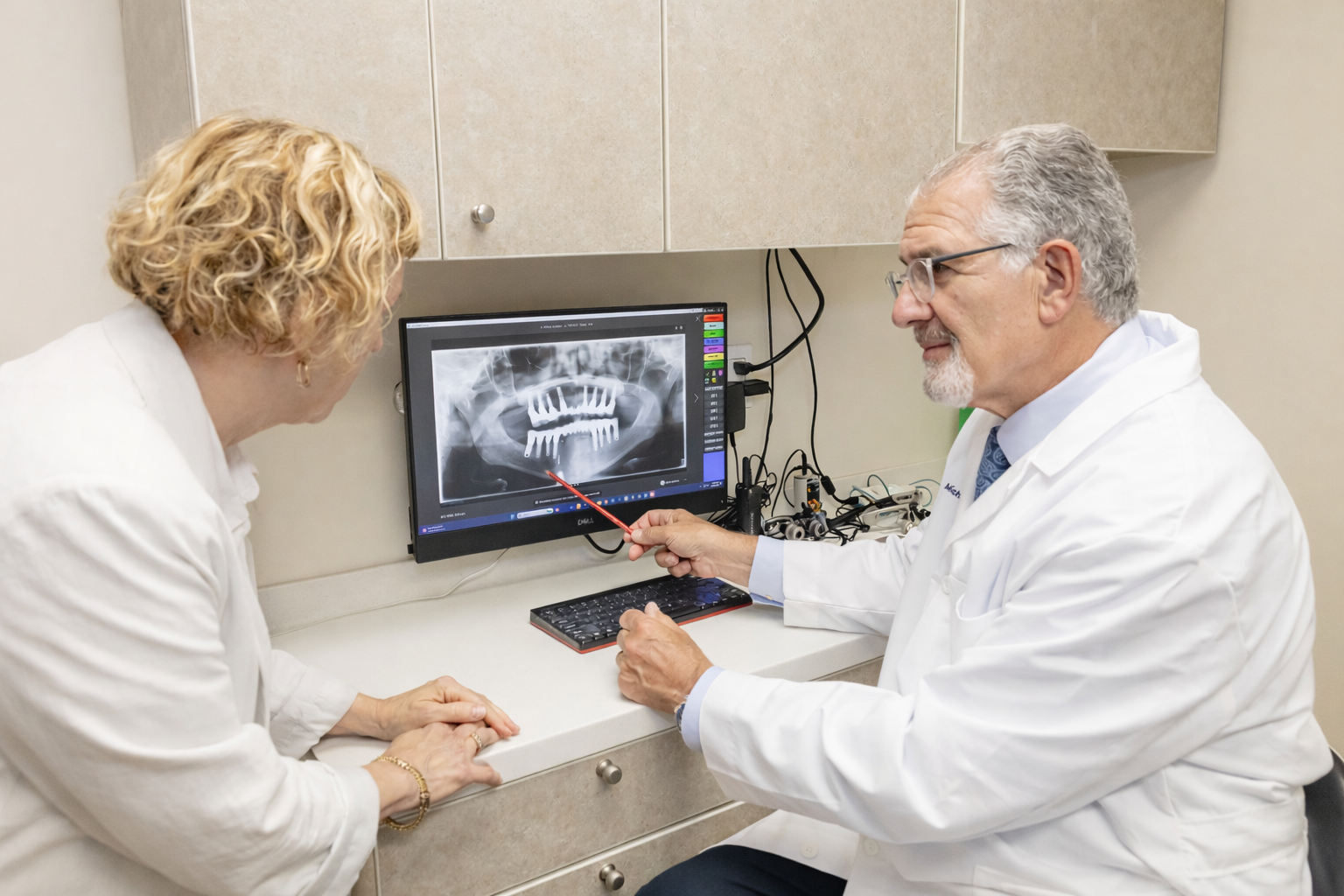
As a dental implantologist and a surgical director at NYU’s School of Dentistry where I teach established dentists the art and science of dental implantology, I’ve placed more implants than I can count. And if I had a nickel for every time a patient walked into my office with a smartphone full of conflicting information about dental implants, I’d probably be able to get a parking space in my NYC garage.
Just last week, a patient came in with a list of “facts” she’d gathered from various corners of the internet. Half were outdated, a quarter were flat-out wrong, and the rest were taken so far out of context they might as well have been about rocket science. But the very first thing she asked me was, “Doctor, are dental implants painful?”
Why These Myths Matter
For many, the thought of any dental procedure – let alone surgery – brings forth the heebee-jeebees. Let’s face it: we’re talking about surgery in your mouth, literally drilling “holes” in your jawbone to receive a dental implant. It’s only natural to wonder about pain.
But here’s the thing: most of what people “know” about dental implants comes from myths that have been circulating online for years. Often with no basis in modern dentistry.
With over 40 years of dental experience – and years spent teaching other dentists how to place implants safely – I thought it was time to set the record straight. Let me walk you through the most common myths and give you the real story.

1. Are Dental Implants Painful?
No.
The honest answer is that dental implant placement, when done properly, is typically far more comfortable than patients expect. We use modern anesthetic techniques, and most of my patients are genuinely surprised by how manageable the whole experience feels.
Will you have some soreness afterward? Sure. But we’re talking about discomfort that’s usually well-managed with over-the-counter pain medication, not the kind of pain that keeps you awake at night.
When I make my surgical follow-up call the night of the surgery, the vast majority of patients are pleasantly surprised by the lack of any meaningful discomfort. When people worry “are dental implants painful?,” they’re often thinking about outdated procedures or worst-case scenarios that rarely happen with modern techniques.

2. Are Dental Implants Only for Older Adults?
No.
Teeth are lost due to injury, decay, or gum disease – not birthdays. I’ve placed implants for a 25-year-old who lost a tooth in a cycling accident and a 75-year-old who had been putting-off treatment (or fell off a bicycle!) Age itself isn’t the determining factor; your overall health and bone density are what matter.
→ Read more: Is There An Age Limit for Dental Implants?
 3. Do Dental Implants Look Fake or Unnatural?
No.
People don’t want implants. They want teeth – supported by implants. If an implant “tooth” is conspicuous, then the implant treatment was not successful.
Modern implant restorations are custom-designed to match your existing teeth in size, shape, color, and luster. The goal is for you to forget it’s even there.

4. Are Dental Implants Only for Rich People?
No.
I’m not going to pretend dental implants cost the same as a cleaning. They’re an investment. But when you consider that a well-placed implant can last decades with proper care, while other solutions might need replacement every few years, the long-term math often makes sense.
→ Read more: How Much Do Dental Implants Cost In NYC?
 5. Do Dental Implants Require Special Maintenance or Cleaning Tools?
No.
For single tooth replacements – the most common implant procedure – you take care of them exactly like your natural teeth. Brush twice a day, floss daily, come in for regular checkups. Your regular toothbrush and floss work just fine.
In complex cases involving multiple implants, simple modifications to your care routine may be necessary, but nothing overly burdensome.
 6. Can Dental Implants Fail?
Rarely.
Dental implants have a success rate well above 95% when properly planned, placed, and cared for. When implants do fail, it’s usually due to infection, poor oral hygiene, smoking, or uncontrolled diabetes.
→ Read more: 4 Signs of Dental Implant Failure
 7. Are Dental Implants Rejected by the Body?
No.
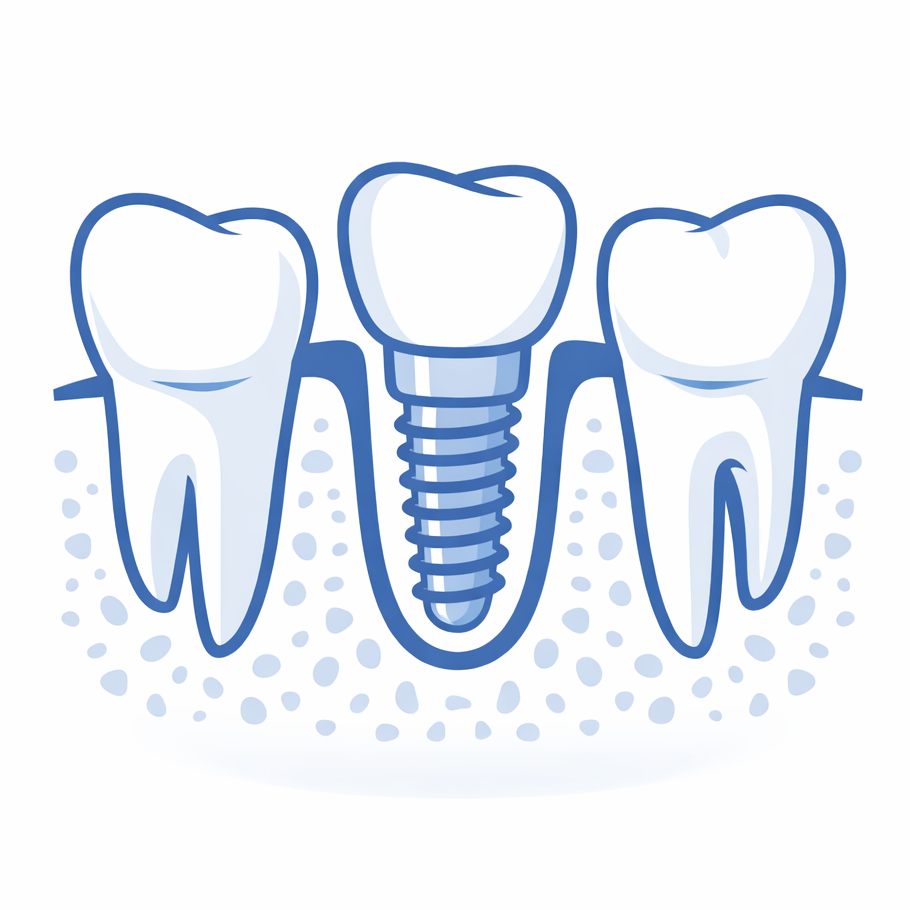
This is completely different from failure. The “rejection” concern comes from a misunderstanding of how implants work. Unlike organ transplants, dental implants don’t rely on your immune system accepting foreign tissue.
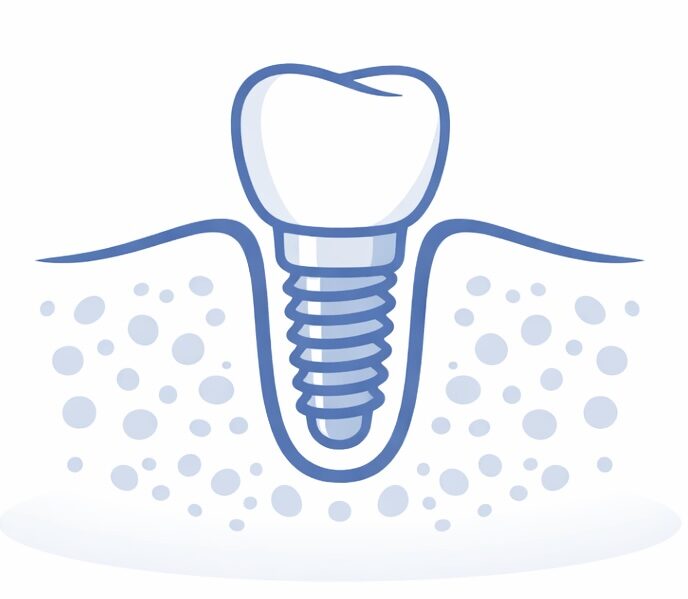
Implants are made of titanium, a biocompatible material that naturally integrates with bone tissue through osseointegration. Your body doesn’t “reject” the implant – it actually grows around it and locks it in place.
 8. Are Dental Implants the Same as Dentures?
No.
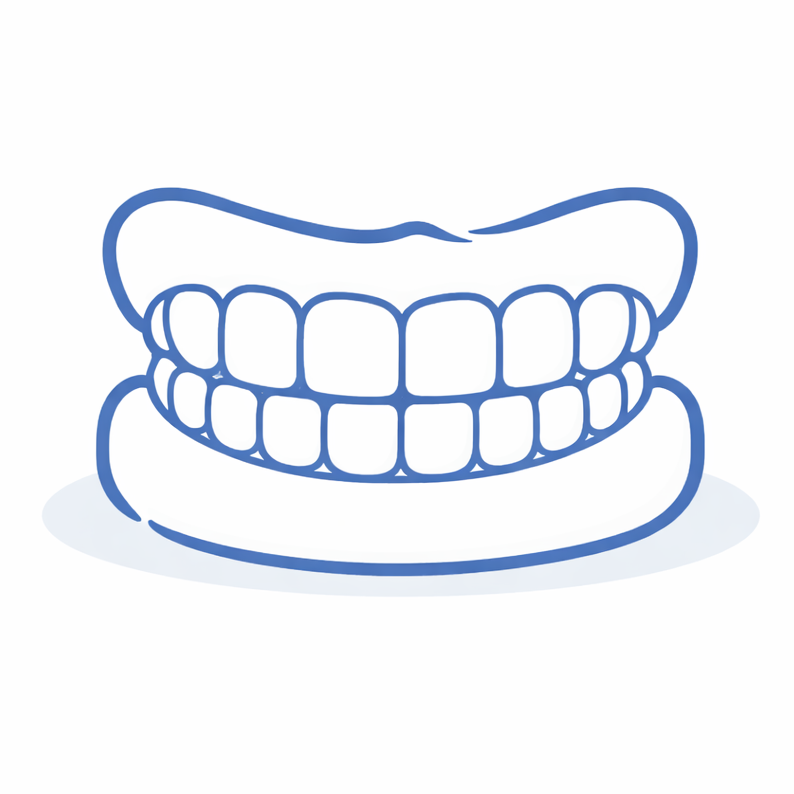
This is like asking if a car is the same as a bicycle. Dentures sit on top of your gums; implants are anchored into your jawbone. That fundamental difference affects how they feel, function, and last.
 9. Are Dental Implants a Quick, One-Visit Procedure for Everyone?
Sometimes.
Some aspects of implant treatment can move quickly, but trying to rush the process usually leads to problems. Your jawbone needs time to heal and integrate with the implant. That’s not something you want to shortcut.
Most patients find that once the initial procedure is done, the question of whether dental implants are painful becomes less relevant. And the healing process is typically extremely manageable.
Note: there are instances when a tooth can be extracted, a dental implant placed and a temporary “tooth” secured to the freshly placed implant. This approach can also be used when multiple extractions and implants are planned.
→ Read more: All-On-Four Dental Implants Explained
 10. Are Dental Implants Safe?
Yes.
Dental implants have been successfully used for decades and is a safe and effective tooth replacement option when placed by properly trained dentists.
According to the American Association of Oral and Maxillofacial Surgeons, dental implants are a safe and long-lasting solution to missing teeth, whether they replace one, several or all of a person’s teeth.
 11. Do Dental Implants Set Off Metal Detectors?
No.
I have patients who travel constantly for work, and this has never been an issue. The amount of titanium in a dental implant is tiny compared to, say, a knee replacement. Airport security isn’t going to bat an eye.
 12. Can I Get Dental Implants If I’ve Lost Bone?
Sometimes.
Bone loss doesn’t automatically disqualify you from implant treatment, but it does make the process more complex. In many cases, we can use bone grafting techniques to rebuild the foundation needed for successful implant placement.
The key is a thorough evaluation to determine what’s possible in your specific situation.
 13. Do Dental Implants Last a Long Time?
Yes.
With proper care, dental implants can last decades. They’re designed to be a long-term solution, not a temporary fix. I have patients who received their implants 20 years ago and are still doing beautifully.
→ Read more: Do Dental Implants Last Forever?
The Bottom Line: Experience and Honest Answers Matter
When patients come to me worried about whether dental implants are painful, I understand that concern completely. But the reality of modern implant dentistry is far more comfortable and predictable than most people realize.
The internet is full of information, but not all of it applies to your specific situation. What matters is having a conversation with someone who actually does this work every day and can give you honest, personalized answers.
For New Yorkers Looking for a Dentist They Can Trust
If you are in New York City and looking for a dentist who takes time to listen, explain, and treat you like family, my team and I would be honored to meet you.
Visit us in Midtown Manhattan for a dental experience built on clarity, compassion, and genuine connection. Whether you’re wondering “are dental implants painful” or have any other questions about your dental health, we’ll give you straight answers and the time you deserve.
You may have found your new dental home!