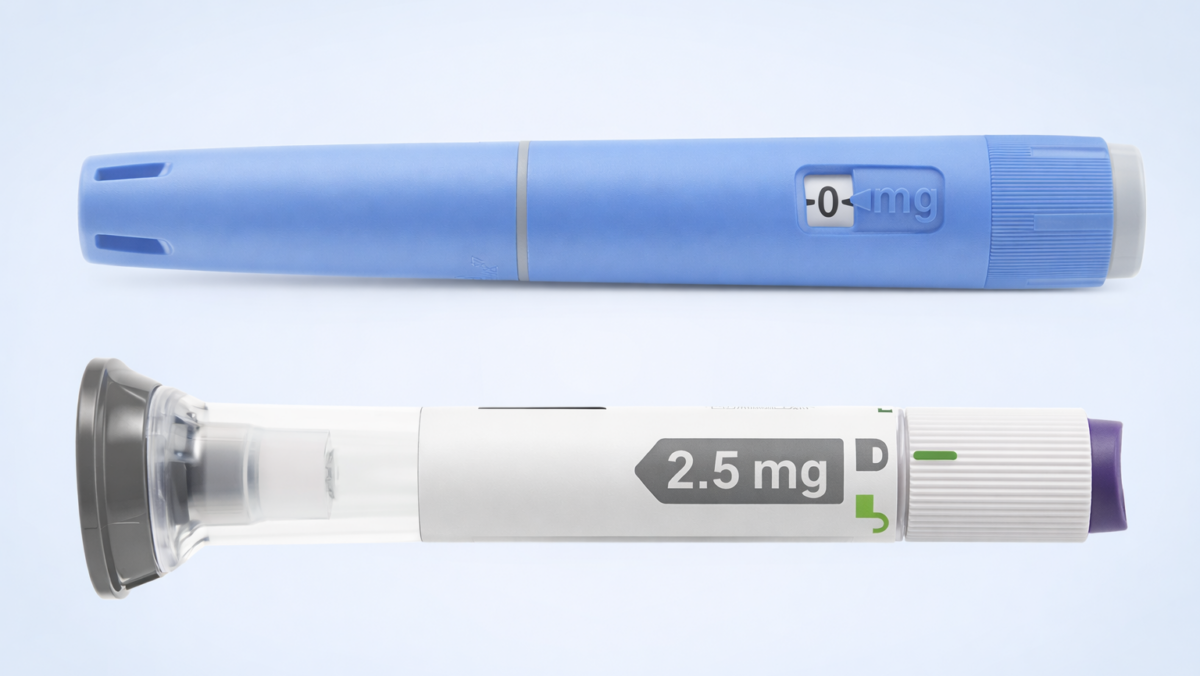
GLP-1 medications are genuinely remarkable. I’ve watched patients manage Type 2 diabetes, lose significant weight, and reclaim parts of their lives they thought were gone. I celebrate that alongside them.
But 40 years in dentistry gives me a particular vantage point. And what I’m seeing from the neck up, specifically from the lips in, is giving me pause. The effects of these medications can have consequences for the teeth and gums. But most people don’t realize this until the damage has already started.
Here is what you need to know:
Three Ways GLP-1 Medications Can Affect Your Teeth
1. Dehydration and Dry Mouth
If you’re on a GLP-1, there’s a good chance you’re not drinking enough water. These medications suppress appetite powerfully, and for most people, thirst follows hunger right out the door. You may not feel thirsty. You may go hours without thinking about it. The result is chronic low-grade dehydration that shows up very clearly in your mouth.
Saliva is your teeth’s first line of defense. It washes away food particles, neutralizes acids, and keeps the bacterial population in check. When your salivary flow drops, you lose that protection. Plaque builds up faster, your oral pH tips more acidic, and your risk of both cavities and gum disease climbs.
Note: Saliva does a lot of heavy lifting. Dry mouth is essentially the dental equivalent of turning off your building’s sprinkler system and hoping nothing catches fire.
The dental community has taken notice. Research out of Case Western Reserve University School of Dental Medicine confirms that reduced salivary flow from GLP-1 use alters oral pH, increases plaque, and raises the risk for both decay and gum disease, and that oral health should be part of the conversation at the time of prescription. I could not agree more.
2. Acid Reflux and Enamel Erosion
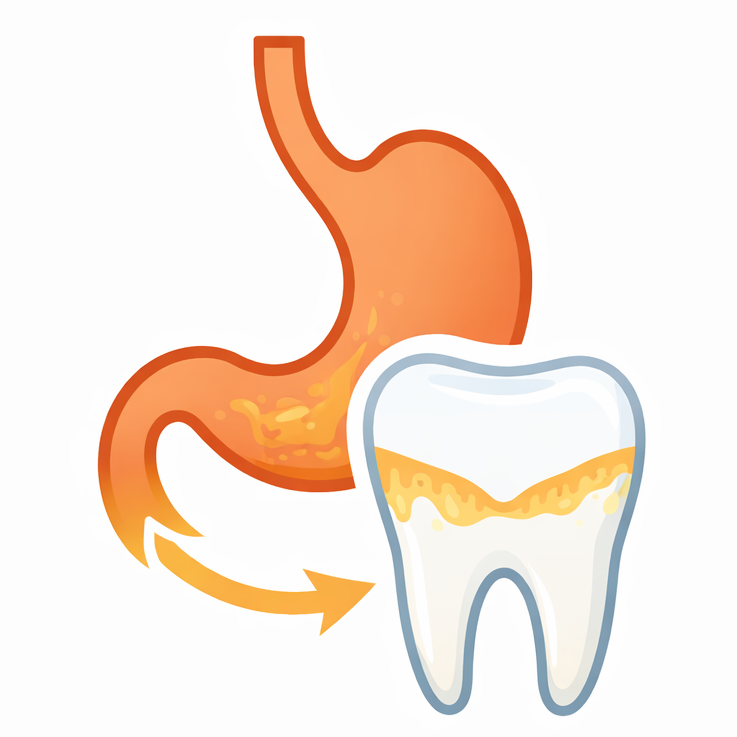
GLP-1 medications slow gastric emptying, meaning food stays in your stomach longer than it normally would. For some people, this leads to significant acid reflux, nausea, and sometimes vomiting. When stomach acid reaches your teeth, even briefly and repeatedly, it does damage.
Tooth enamel is the hardest substance the human body produces. It is also the only substance in the body that cannot repair itself once it is gone. Stomach acid is highly corrosive, and repeated exposure softens and erodes enamel in ways that cannot be reversed. What you might notice first: increased tooth sensitivity, or a dull appearance where your teeth used to look bright. The lower front teeth and the inner surfaces of the upper teeth tend to show acid erosion first.
Note: Think of enamel like a leather jacket. Looks great, protects you beautifully, and takes years to wear through. Stomach acid is the equivalent of soaking it in bleach twice a day. Eventually, it’s gone.
3. Changes in the Oral Microbiome
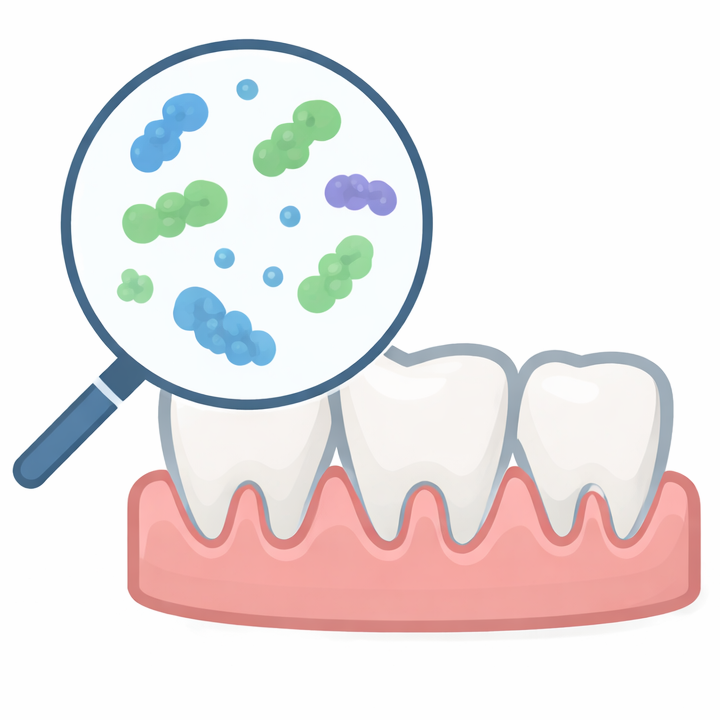
Your mouth is home to hundreds of bacterial species, and the balance among them matters enormously. GLP-1 medications appear to alter this bacterial environment. When your oral microbiome shifts, the bacteria that produce plaque and trigger gum inflammation tend to gain the upper hand.
Plaque is the sticky film of bacteria that forms on your teeth throughout the day. When it builds up and is not removed through consistent brushing and flossing, it irritates your gum tissue, causing gingivitis. Left unaddressed, gingivitis progresses to periodontitis, a serious infection of the structures supporting your teeth.
The relationship between gum disease and your overall health is significant. Research has linked periodontitis to cardiovascular disease, diabetes complications, and other systemic conditions. A disrupted oral microbiome is not a small thing.
Note: We spend a lot of time in this country worrying about gut bacteria. The mouth is where the gut begins, and it deserves equal attention.
Reduced appetite can also mean reduced intake of the nutrients your teeth depend on, particularly calcium, vitamin D, and protein. When your body isn’t getting enough of these, your teeth and supporting bone structures quietly pay a price.
If You’re Taking a GLP-1: What You Should Do for Your Oral Health
None of this means you have to stop your medication. What it does mean is that your oral health needs some extra attention while you’re on it. Here is what I tell my patients:
- Tell your dentist you are on a GLP-1. This one is non-negotiable. Your dental team needs to know so we can monitor for the specific changes these medications cause. Don’t wait until your next routine visit to mention it. (And yes, this applies even if your teeth feel fine right now.)
- Drink more water than you think you need. Set a reminder on your phone if you have to. Aim for at least 6 to 8 glasses a day, assuming your kidney function is normal. Hydration is the single most effective way to support saliva production and protect your teeth.
- Do not brush immediately after acid exposure. If you experience reflux or vomiting, rinse thoroughly with water or a baking soda-and-water solution first. Wait at least 30 minutes before brushing. Brushing while your enamel is softened by acid speeds up the erosion.
- Use a fluoride toothpaste and consider a fluoride rinse. Fluoride helps strengthen enamel and is an important part of your defense when your oral environment has turned more acidic. Ask about prescription-strength options if you’re already showing signs of erosion.
- Chew xylitol gum between meals. Xylitol stimulates saliva flow without feeding the bacteria that cause decay. Simple, practical, and easy to find at any pharmacy in New York City.
- Consider a Biotene-type rinse for dry mouth. Alcohol-based mouthwashes can make dryness considerably worse. A rinse formulated specifically for dry mouth is gentler and more effective. I’ve been recommending Biotene to patients for years.
- Come in more often. Twice-a-year cleanings may not be sufficient if GLP-1 side effects are affecting your mouth. Every three to four months is worth considering, especially early in your medication journey. Catching problems while they are small is always easier than treating them once they’ve grown.
- Pay attention to your nutrition. Reduced appetite means reduced opportunity to get the calcium, vitamin D, and protein your teeth and supporting bone need. Talk to your prescribing physician about whether supplementation makes sense for you.
- Elevate your head while sleeping. If nighttime reflux is an issue, raising your head with an extra pillow can reduce acid exposure to your throat and mouth while you sleep.
Final Thoughts
GLP-1 medications are changing lives, and I celebrate that alongside my patients. But medicine is always a balancing act, and being informed about the full picture is part of taking good care of yourself. The connection between GLP-1 medications and oral health is real, it is worth taking seriously, and it is something we can absolutely manage together.
If you are taking one of these medications and haven’t mentioned it to your dentist yet, please do at your next visit. And if you’ve been noticing changes in your teeth or gums since starting, don’t wait.