

Crowns & Bridges in Manhattan
What Are Dental Crowns and Bridges?
Dental crowns and bridges are custom-made restorations that repair damaged teeth or replace missing ones. A crown fits over a single weakened or broken tooth to restore its strength and appearance. A bridge fills the space left by one or more missing teeth by anchoring to adjacent teeth. Both are permanent restorations designed to last many years with proper care. Most patients complete treatment in two visits.
New York keeps moving whether your tooth cooperates or not. A cracked molar, a gap where a tooth used to be, a tooth that’s been through a root canal and is now hollowed out and fragile. These aren’t cosmetic inconveniences. They affect how you chew, how you speak, and sometimes how you feel about smiling.
I’ve been practicing in Midtown Manhattan for a long time. Crowns and bridges are among the most common restorations I place, and I take them seriously. Getting this right matters. A poorly fitting crown is uncomfortable. One that doesn’t match looks wrong. Either way, you notice it every day.
The goal is a restoration that feels like it belongs there. That’s not an accident. It takes careful preparation, precise fit, and materials chosen for both strength and appearance.
The Two Appointments That Give Your Tooth Its Life Back
The process for a dental crown or a dental bridge typically takes two visits. The first is the longer one.
At that first appointment, I prepare the tooth, take impressions, and place a temporary restoration so you’re not walking around uncomfortable between visits. You’ll leave with a tooth that functions and looks reasonable while the final restoration is being made. That’s important to me. You’ve got things to do.
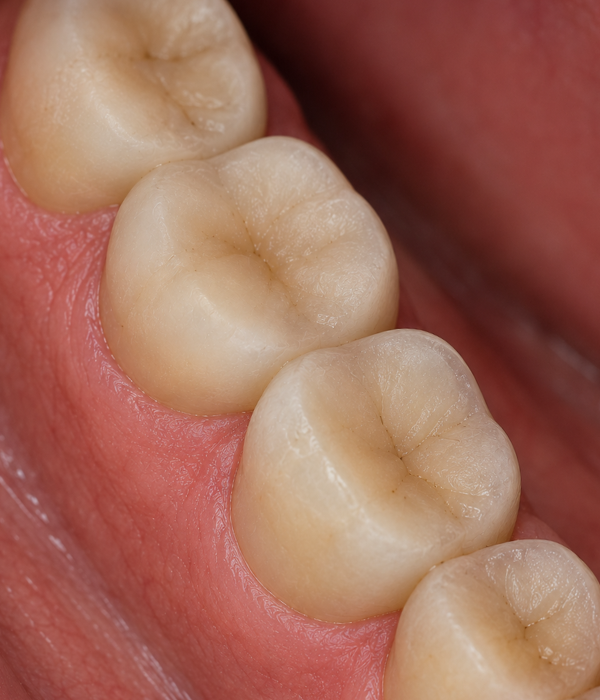
The second visit is when the permanent restoration goes in. I check the fit, the bite, the color, and how it sits with the surrounding teeth. If anything needs adjusting, we adjust it. I’m not rushing to get you out the door.
With a bridge, the adjacent teeth on either side of the gap are prepared to serve as anchors. The replacement tooth is suspended between them. The whole structure is one connected unit, fixed in place, not removable. For many patients it’s an excellent option, particularly when implants are not the right path.
A crown or bridge done well should fade into the background of your mouth. You stop thinking about it. That is exactly what we’re aiming for.
Are You in New York City and Dealing with a Damaged or Missing Tooth?
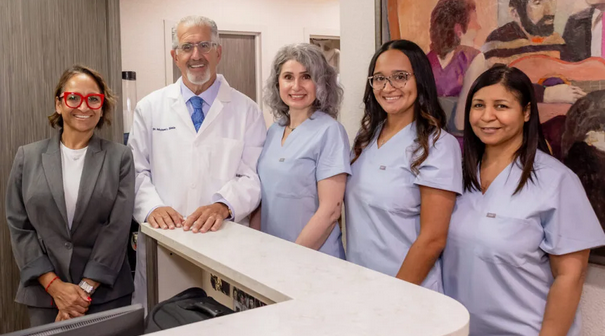
My team and I have helped patients restore damaged and missing teeth with crowns and bridges in our New York City dental office in Midtown Manhattan. If you’ve been putting it off because of anxiety, a bad experience somewhere else, or simply not knowing where to start, that’s okay. We’ve heard it before.
Whether your questions are about what the process involves, how long it takes, or whether a crown or a bridge or something else entirely is the right answer for you, you will get a real conversation and straight answers. No pressure.
You may have just found your new dental home.
Frequently Asked Questions About Crowns & Bridges
How do I know if I need a crown or a bridge?
A crown is usually recommended when a tooth is still present but structurally compromised. That includes teeth that have had root canals, teeth with large old fillings that are starting to fail, or teeth that have cracked. A bridge is for when a tooth is already gone. I make that determination after looking at your x-rays and examining the tooth. Most of the time it’s not a close call.
What’s the difference between a bridge and a dental implant?
A dental implant replaces the root of the missing tooth and stands on its own. A bridge uses the teeth on either side of the gap as anchors. Implants are often the better long-term solution when the surrounding teeth are healthy and there’s enough bone to support one. But implants aren’t right for everyone, and a bridge is an excellent restoration in the right situation. I’ll tell you honestly which one I think makes more sense for you.
Will a crown or bridge look like my real teeth?
Yes, that’s the point. Modern ceramic and porcelain materials are matched to your surrounding teeth in shade and shape. When it’s done right, most people can’t pick it out from the rest of your smile. My focus is on fit first, aesthetics second. Both matter, but a crown that fits poorly will cause problems even if it looks fine on day one.
I’m nervous about dental work. Is this going to be uncomfortable?
The preparation appointment involves anesthesia, so the procedure itself shouldn’t be painful. Some patients feel sensitivity around the prepared tooth while the temporary is in place. That’s normal and temporary. If you’re anxious about dental work, tell me before we start. I’ve been doing this long enough to know how to take it slow and check in with you along the way. You don’t have to white-knuckle it.
Can an old crown be replaced?
Yes. Crowns don’t last forever. Most do well for ten to fifteen years or more, but they can chip, crack, or simply wear down. If you have a crown that’s bothering you, looks off, or was placed decades ago, it’s worth having it evaluated. Replacing a failing crown before it fails completely is almost always easier than dealing with what’s underneath after the fact.
Call my Manhattan dental practice
at 212-685-3040 to schedule your root canal procedure consultation.