

Root Canal Therapy in Manhattan
What Is Root Canal Therapy?
Root canal therapy is a dental procedure that removes infected or inflamed tissue from inside a tooth. When decay or damage reaches the pulp (the soft inner layer containing nerves and blood vessels), the infection needs to be cleared out, the canal cleaned and sealed, and the tooth preserved. Completed in one or two visits, modern root canal therapy relieves pain and saves the natural tooth. A crown is typically placed afterward to restore full strength.
Nobody wants to hear those three words. I know that. But here is the thing: most of the fear around root canals comes from a reputation earned decades ago. The procedure has changed. The experience has changed. What has not changed is what it does: it stops the pain and saves your tooth.
New Yorkers push through a lot. A persistent toothache, sensitivity that will not quit, a dull ache you have been telling yourself will go away. It might quiet down for a few days. The problem underneath it will not.
My practice is in Midtown Manhattan, a few blocks from Grand Central. I have been doing this for a long time. I have treated a lot of people who showed up convinced they were in for the worst experience of their life. Most of them were surprised.
The Visit That Ends the Pain and Keeps the Tooth
When infection or inflammation reaches the pulp of a tooth, the tissue inside has to come out. That is not a defeat. It is a solution. The outer tooth, the part that chews and holds your bite together, stays exactly where it is.
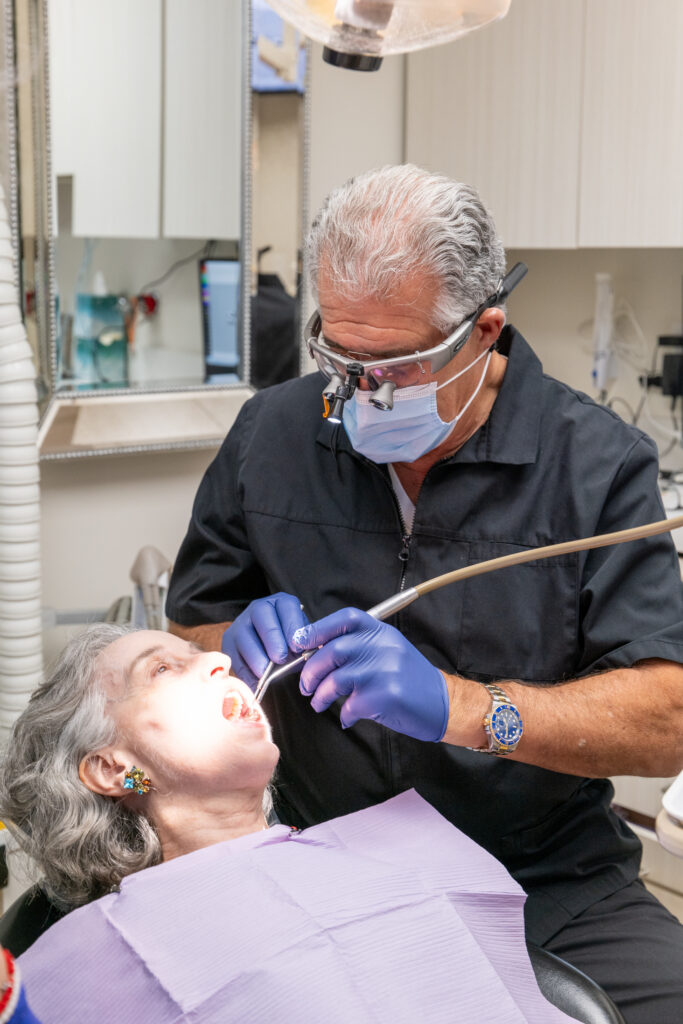
Here is what actually happens. I numb the area thoroughly. We do not move forward until you are comfortable. Then I access the inner chamber of the tooth, remove the infected tissue, and carefully clean and shape the canal. Once the canal is clean and disinfected, it is sealed to prevent reinfection. The procedure is methodical. It takes time, because careful work takes time.
Most patients are genuinely surprised by how manageable it is. The tooth was hurting before they arrived. By the time the anesthetic wears off, that specific pain is gone. There is usually some mild soreness for a day or two. That is normal. It passes.
After the root canal, I will typically recommend a crown to restore the tooth to full strength. A root canal-treated tooth is structurally sound but no longer has the same resilience, and a crown protects it for the long term. That step is worth doing right.
The goal of all of this is simple: you leave with your tooth. That is worth something.
Why I Would Rather Save a Tooth Than Replace One
I have a Master of the Academy of General Dentistry, one of the highest credentials in general dentistry. More relevant to this conversation: I have been practicing conservative dentistry in Manhattan for decades, and my philosophy has never changed. When we can save a tooth, we save the tooth.
Losing a tooth is not a neutral event. It affects how you chew, how adjacent teeth hold their position over time, and in some cases how you feel about your smile. Replacing a missing tooth, whether with an implant or a bridge, involves more procedures, more time, and more expense than treating the tooth you already have.
The American Association of Endodontists has patient-facing information on what to expect from root canal treatment that is worth reading if you want to understand the procedure in more detail before your visit.
Root canal therapy, done well, is a conservative choice. That is exactly the kind of dentistry I do.
Are You in New York City and Living With a Tooth That Needs Attention?
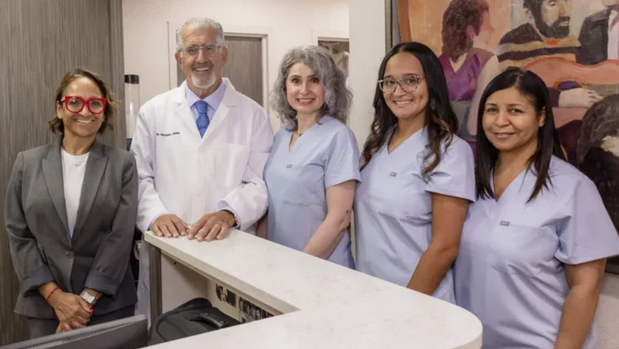
My team and I have helped patients stop the pain and keep their teeth, in our New York City dental office in Midtown Manhattan. If you have been putting off a root canal because you are nervous, or because you are not sure what to expect, that is completely understandable. We hear it often.
Whether your questions are about what the procedure involves, what it costs, or whether your tooth can actually be saved, you will get a real conversation and straight answers. No guilt, no pressure, no vague reassurances.
You may have just found your new dental home.
Frequently Asked Questions About Root Canal Therapy
Is root canal therapy painful?
The honest answer: the tooth hurts before you come in, and the procedure itself should not. I numb the area thoroughly, and we do not begin until you are comfortable. Most patients tell me it was far less uncomfortable than they expected. The reputation root canals have is mostly outdated.
How is a root canal different from an extraction?
An extraction removes the tooth entirely. A root canal treats the tooth from the inside so the outer structure, the part visible in your mouth and anchored in your jaw, stays in place. When saving the tooth is an option, that is almost always the better choice. Extraction creates a gap that will need to be addressed, usually with an implant or bridge, which means additional procedures down the road.
What happens if I wait?
A dental infection does not resolve on its own. The pain may come and go, but the infection does not go away. Left untreated, it can spread to surrounding bone and tissue, become significantly harder to treat, and in some cases require extraction of a tooth that could have been saved with earlier care. If you are having persistent tooth pain or sensitivity to heat, please do not wait.
Do I need a crown after a root canal?
In most cases, yes. A tooth that has had the pulp removed is structurally intact but more prone to fracture under normal chewing pressure. A crown restores full strength and protects the investment you have made in keeping the tooth. I will talk you through the timing and what to expect when we discuss your treatment plan.
I have severe dental anxiety. Is that a problem?
It is not unusual, and it is not a problem. I have treated anxious patients for a long time. The approach is simple: I explain what I am going to do before I do it, I make sure the area is numb before we start, and I go at a pace that works for you. You are allowed to need a moment. You do not have to be brave. That is my job.
Call my Manhattan dental practice
at 212-685-3040 to schedule your root canal procedure consultation.