

Tooth Extractions in Manhattan
What Is a Tooth Extraction?
Tooth extraction is the removal of a tooth from its socket in the jawbone. It is performed when a tooth is too damaged, infected, or crowded to be saved or to function properly. Most extractions are simple in-office procedures completed in a single visit, typically under local anesthesia. Recovery for a routine extraction is usually a few days.
Nobody wants to hear that a tooth has to come out. I get it. It feels like a failure somehow, even though it almost never is.
Here is the truth: sometimes a tooth has done its job and there is nothing left to save. An infection that has gone too far, a fracture below the gum line, a tooth so broken down that restoring it would cost more than it is worth to your health. When that is the case, the kindest thing I can do is remove it cleanly, help you heal quickly, and talk honestly about what comes next.
If you are a New Yorker who has been putting this off because you are nervous or dreading the conversation, that is the most common thing I hear. Midtown Manhattan has no shortage of busy people sitting on a problem they would rather not face. My job is to make facing it easier than you expected.
The Visit That Takes a Problem Off the Table
There are two kinds of extractions, and which one you need depends entirely on the tooth.
A simple extraction is for a tooth that has erupted fully and can be loosened and removed in one piece. You are numb, you feel pressure but not pain, and the whole thing often takes less than fifteen minutes. Most people are surprised by how little they felt.
A surgical extraction is for teeth that are broken at the gum line, impacted, or otherwise not accessible without a small incision in the gum tissue. Wisdom teeth often fall into this category. It is still done under local anesthesia in the office, and it takes longer, but it is the same principle. You are comfortable. I am careful. We get you through it.

After either type, I will give you clear aftercare instructions before you leave. The goal is a smooth, uneventful healing process. That means protecting the clot that forms in the socket, staying away from straws and smoking for a few days, and knowing what to watch for. Dry socket, which is when that clot is lost prematurely, is the main thing we work to prevent. It is avoidable when you know what to do.
One thing I want to say plainly: extraction is not the end of the story. Once you have healed, there are good options for replacing a missing tooth, including implants. We will talk about all of that. But first things first.
A Note on How I Approach This
I do not recommend extractions lightly. My philosophy has always been conservative. If a tooth can be saved with a reasonable amount of work and a reasonable prognosis, I will tell you that. If it cannot, I will tell you that too, and I will explain why, in plain English, without pressure to decide anything on the spot.
Patients sometimes come in having been told elsewhere that a tooth needs to come out and wanting a second opinion. That is a reasonable thing to want. Bring your x-rays. We will look at them together.
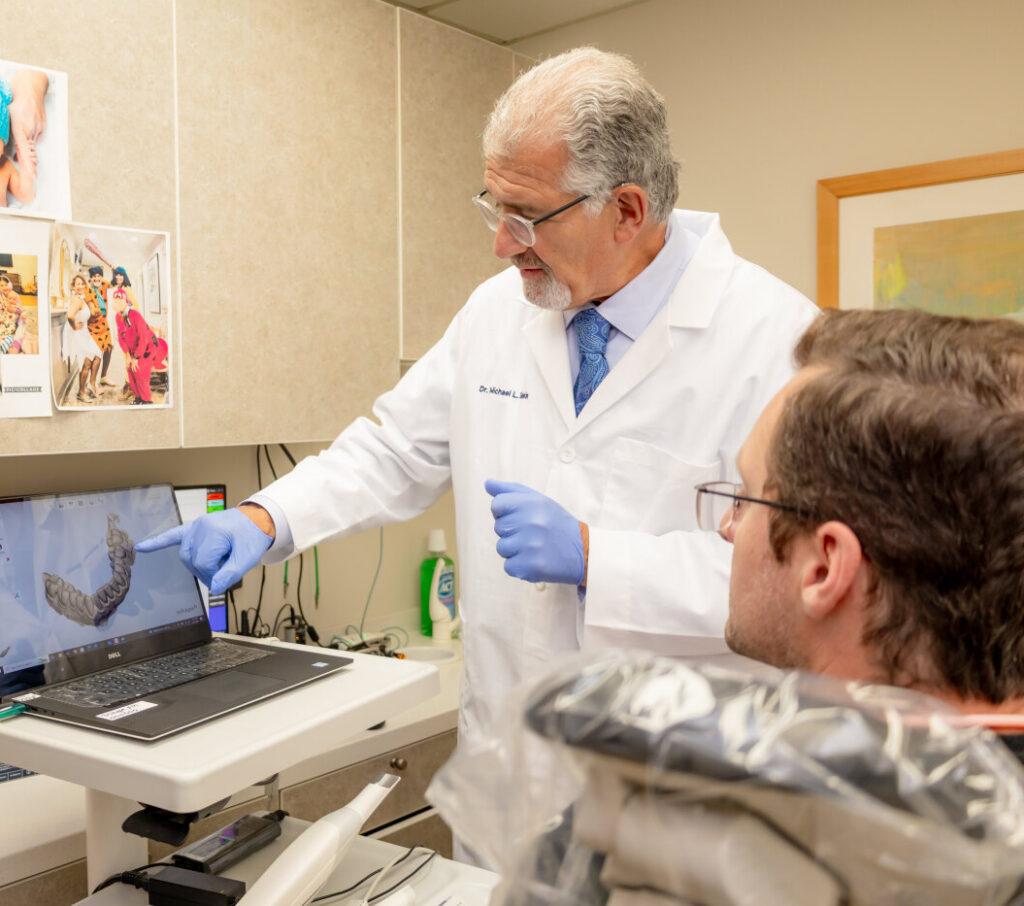
Are You in NYC and Facing a Tooth Extraction You Have Been Putting Off?
My team and I have helped patients get through extractions they were dreading, in our New York City dental office in Midtown Manhattan. Whatever has kept you from coming in, it is behind you now.
Whether your questions are about pain management, what to expect during recovery, or what options exist for replacing the tooth afterward, you will get a real conversation and straight answers. No guilt.
You may have just found your new dental home.

Frequently Asked Questions About Tooth Extractions
Does a tooth extraction hurt?
The procedure itself should not hurt. You will be fully numb before anything happens, and I will not proceed until you are. What you feel during the extraction is pressure and movement, not pain. There is a difference, and most patients tell me afterward that it was much less than they feared. Some soreness in the days following is normal and manageable with over-the-counter pain relievers.
What is the difference between a simple and a surgical extraction?
A simple extraction is for a tooth that is visible and intact enough to be removed in one piece. A surgical extraction involves a small incision to access a tooth that is impacted, broken below the gum line, or otherwise not reachable the conventional way. Both are done in-office under local anesthesia. The recovery from a surgical extraction is typically a bit longer, but the same aftercare principles apply.
What is dry socket, and how do I avoid it?
Dry socket happens when the blood clot that forms in the extraction site is dislodged before the socket has healed, exposing the bone underneath. It is painful and delays healing. To avoid it: do not use a straw, do not smoke, and do not rinse aggressively in the first 24 hours. I give every patient specific aftercare instructions before they leave. If you follow them, dry socket is unlikely.
Do I have to replace the tooth?
Not always, and the answer depends on which tooth it is and where it sits in your mouth. Front teeth and visible molars that affect your bite should generally be replaced. A missing tooth can cause neighboring teeth to shift over time, which creates its own problems. A dental implant is often the best long-term option, but there are others. We will have that conversation once you have healed, without any rush.
I have been avoiding this for a while. Will you make me feel bad about that?
No. Genuinely. People put off dental care for all kinds of reasons, and I have heard most of them. The important thing is that you are here now. Whatever led to the tooth needing to come out, we are past that part. Let’s just take care of it.
Call my Manhattan dental practice
at 212-685-3040 to schedule your root canal procedure consultation.