

Advanced Diagnostic Precision in Manhattan
What Is Advanced Diagnostic Precision?
Advanced diagnostic precision is a focused evaluation that finds the real cause of a dental problem before any treatment is recommended, using digital imaging, bite analysis, and a careful clinical exam. It catches issues a routine checkup can miss, like clenching, hairline fractures, or a bite that is quietly out of balance. Most diagnostic visits take a single appointment.
You are busy. I get it. Between work, the subway, and whatever your calendar looks like this week, coming in for a tooth that only sometimes hurts is annoying, especially when nobody can tell you why.
That is where advanced diagnostic precision comes in. It is the visit where I stop guessing and start finding out what is actually going on before I recommend anything. In my Midtown Manhattan office, that means locating the real cause of a symptom, not just patching whatever looks obvious in the moment.
New Yorkers do not love a mystery they cannot solve on a lunch break. Teeth, unfortunately, do not run on that schedule. But a good diagnostic workup usually takes less time than people expect, and it saves you from redoing the same work twice.
The Visit That Figures Out What Is Actually Wrong
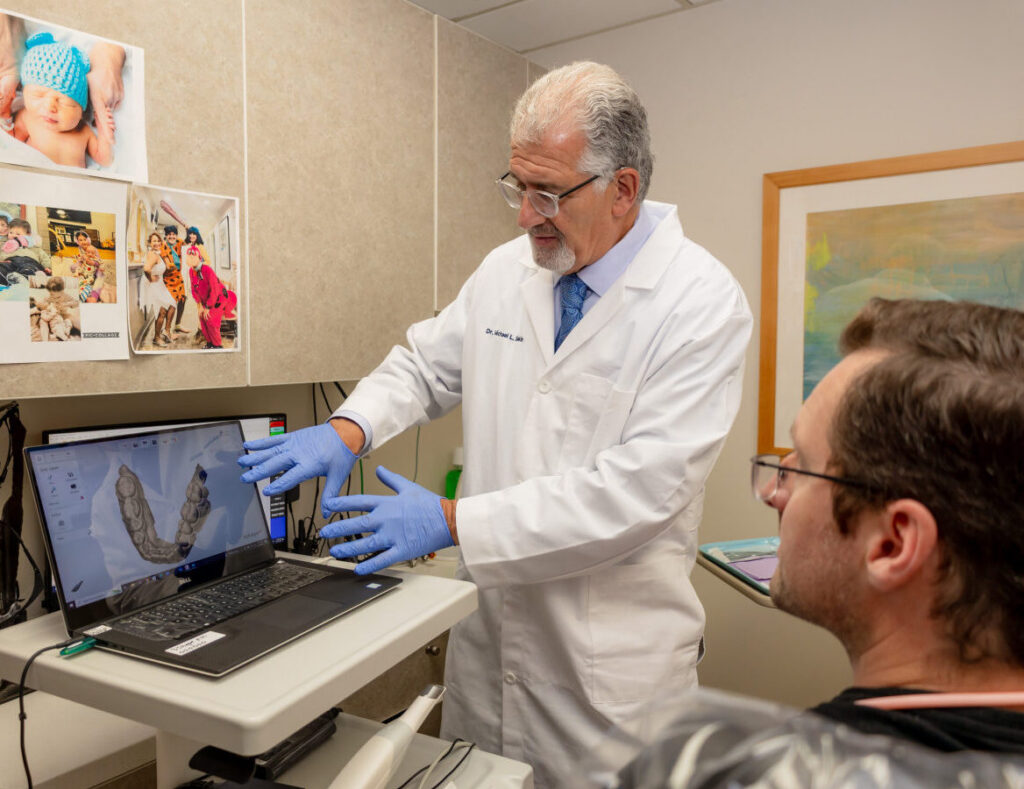
When you come in for a diagnostic evaluation, I start by listening. Most patients already know something is off. They just cannot describe it in clinical terms, and they should not have to. That is my job.
From there, I use 3D digital imaging to see what a standard x-ray cannot: hairline fractures, bone changes, nerve position, and problems hiding beneath a tooth that looks fine on the surface. It is the difference between looking at a tooth and actually understanding it.
I also run a bite and occlusal analysis, because a surprising number of dental problems start with how your teeth meet, not with the teeth themselves. Uneven forces, clenching or grinding you may not even know you are doing, and jaw joint strain can all wear down a perfectly good tooth over time. According to the American Dental Association, most people who grind or clench their teeth are not aware they are doing it until a dentist spots the wear pattern.
Once I know what I am actually looking at, everything after that gets a lot easier, for both of us.
How I Approach a Diagnosis
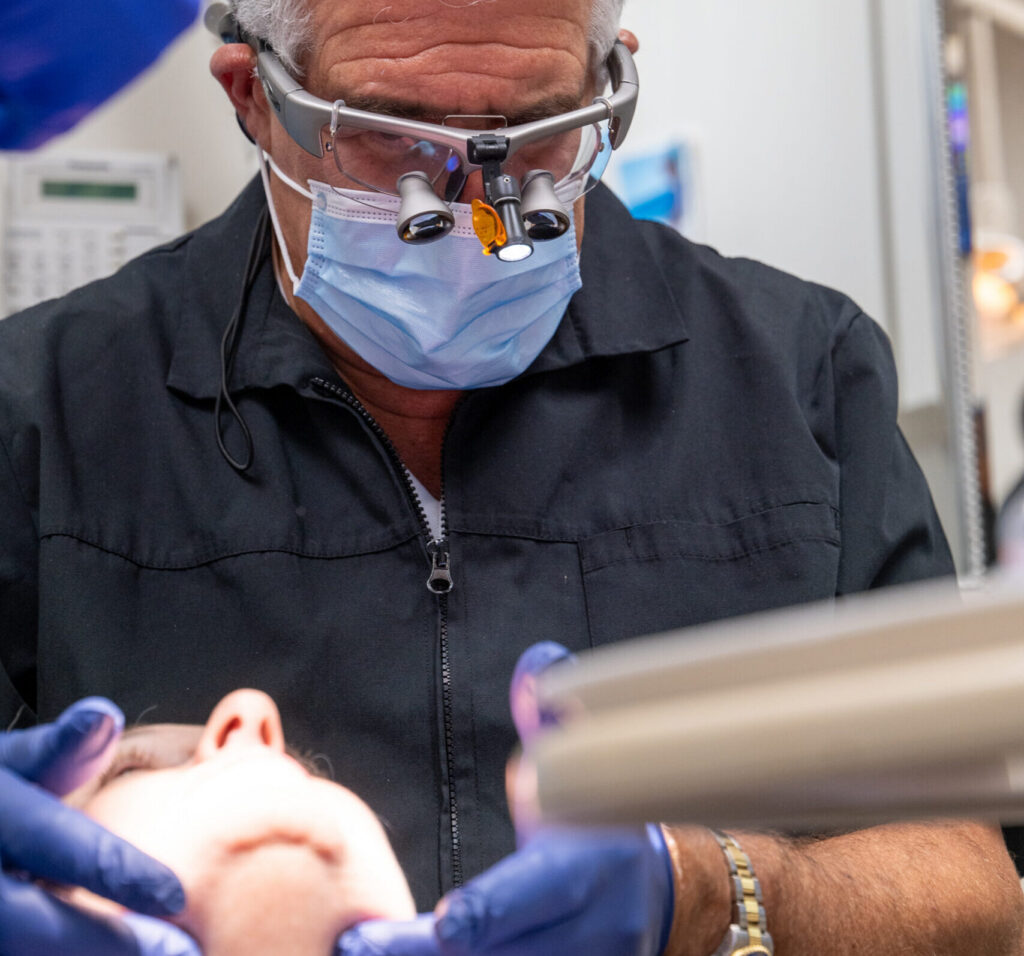
In more than 40 years of practicing dentistry in New York, I have learned that most dental problems have a quieter cause hiding behind the obvious one. A cracked filling is rarely just a cracked filling. A tooth that will not settle down after a cleaning is usually telling you something more specific, if someone takes the time to listen for it.
I would rather spend an extra twenty minutes finding the actual source of a problem than treat the symptom twice. It is a slower way to practice dentistry. It also happens to be the honest one.
Are You in New York City and Still Waiting for an Answer About Your Tooth Pain?
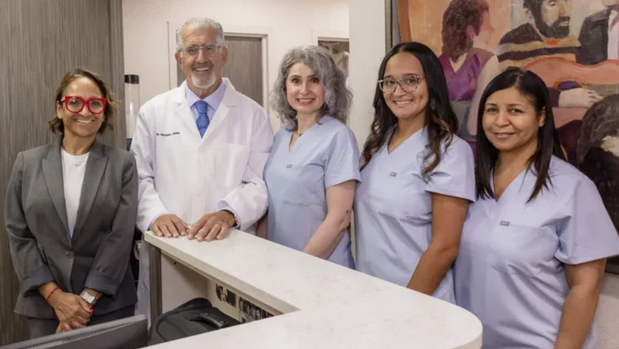
My team and I have helped patients get real answers when something has felt off for months, sometimes years, in our New York City dental office in Midtown Manhattan. If more than one dentist has told you everything looks fine and you still do not feel fine, you are not imagining it.
Whether your questions are about jaw pain, a tooth that will not settle down, or a bite that feels wrong, you will get a real conversation and straight answers. No guesswork, no quick verdicts.
You may have just found your new dental home.
Frequently Asked Questions About Advanced Diagnostic Precision
How do I know if I need advanced diagnostic testing?
If you have pain that comes and goes without an obvious cause, a tooth that is sensitive for no clear reason, jaw or facial discomfort, or you have simply been told your exam looks “normal” while something still feels wrong, that is exactly when a deeper diagnostic evaluation makes sense.
Is this the same as a regular dental exam?
No. A routine exam and cleaning checks for cavities and gum health in general. Advanced diagnostic precision goes further, using 3D imaging and bite analysis to investigate a specific, unresolved symptom and find its actual source.
Will this take a long time or be uncomfortable?
Most diagnostic evaluations are completed in a single visit and involve no discomfort at all. It is imaging, careful examination, and conversation, not treatment. You will leave with real answers, not more questions.
What kinds of problems can advanced diagnostics catch?
Hairline tooth fractures, early bone loss, bite misalignment, clenching or grinding patterns, jaw joint (TMJ) strain, and hidden decay under old restorations are all things this kind of evaluation is built to find.
I have been told my x-rays are normal, but I am still in pain. Can you help?
Yes, and honestly, this is one of the most common reasons patients find me. “Normal” x-rays do not rule out a real problem. A more targeted diagnostic approach often finds exactly what standard imaging missed.
Call my Manhattan dental practice
at 212-685-3040 to schedule your root canal procedure consultation.