

Restorative Excellence for Damaged Teeth in Manhattan
What Does Restorative Dentistry for Damaged Teeth Include?
Restorative dentistry repairs teeth that are cracked, worn, fractured, or broken down, using crowns, bonding, inlays, onlays, or a combination, depending on the damage. The goal is to save as much of your natural tooth as possible while restoring full function and a natural look. Most repairs are completed in one to two visits, and results typically last for many years with normal care.
A chipped tooth doesn’t wait for a convenient week. Neither does a filling that finally gives out, or a back tooth that’s been quietly cracking for longer than you’d like to admit. New Yorkers are busy people, and “I’ll deal with it later” is basically a second language here.
The problem is that damaged teeth don’t fix themselves, and pretending otherwise usually just turns a small repair into a bigger one. My Midtown Manhattan practice exists for exactly this moment: the tooth that’s bothering you, the one you’ve been chewing around, the one you keep meaning to call about.
I’ve been repairing teeth in this city for a long time. I’ve seen just about every version of “it’s probably fine” (it is rarely fine, but I promise not to say I told you so).
The Repair That's Built to Last
Restorative work starts with figuring out what’s actually wrong, not just what hurts. A tooth can look damaged and be structurally sound, or look fine and be quietly falling apart underneath. I take the time to find out which one I’m looking at before I recommend anything.
From there, the repair depends on how much of the tooth is left to work with. Smaller chips and cracks often respond well to bonded restorations, where I sculpt a tooth colored material directly onto the tooth and shape it to match your bite. It’s fast, it’s conservative, and for the right situation, it holds up beautifully.
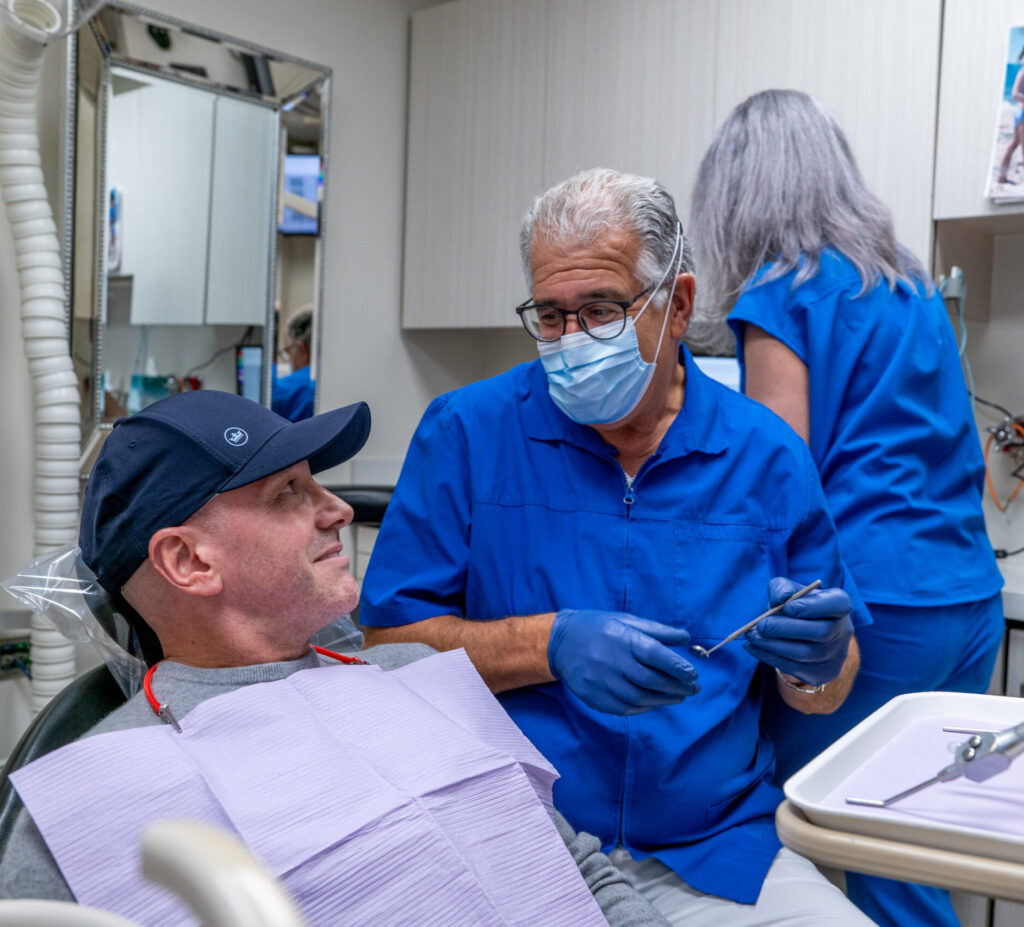
Bigger damage, like a tooth that’s cracked below the gumline or worn down from years of grinding, usually needs more coverage to survive daily use. That’s where custom crowns come in. I take an impression or digital scan, work with a lab I trust, and fit a crown that protects what’s left of your natural tooth while looking like it was never touched. According to the American Dental Association’s patient resource on crowns, a well-fitted crown can protect a weakened tooth for many years, which matches what I see in my own practice.
Either way, the aim is the same. Fix what’s broken, protect what’s left, and get you back to eating an apple without thinking twice about it.
Why I Try Not to Take More Tooth Than I Have To
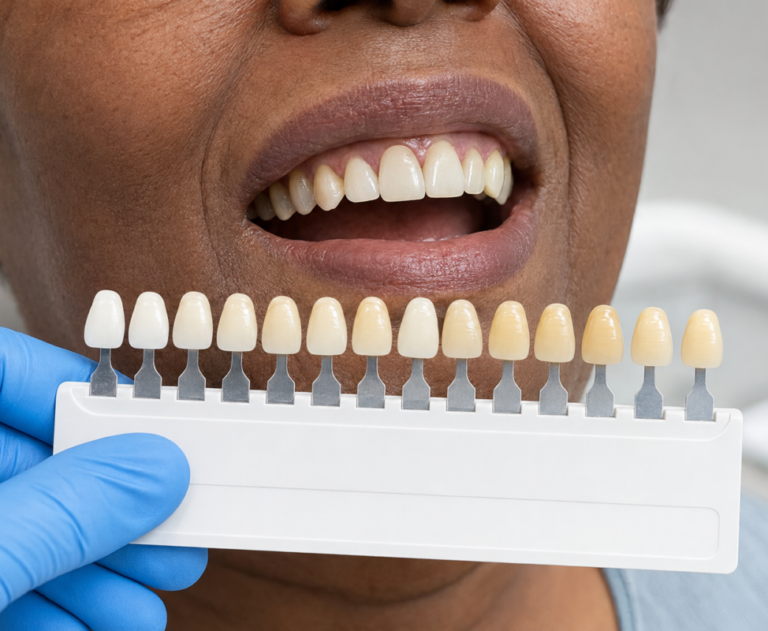
I practice conservative dentistry, which is a fancy way of saying I don’t remove or replace more tooth structure than the situation actually calls for. If bonding will do the job, I’m not going to talk you into a crown. If a tooth can be saved, I’d rather save it than start planning its replacement.
This matters more than people expect. Every time a tooth gets touched, it changes a little. My job is to make sure it changes as little as possible while still solving your actual problem. That’s not a sales pitch. It’s just how I was trained, and how I’ve practiced for decades.
Are You in New York City and Living with a Tooth You Keep Avoiding?
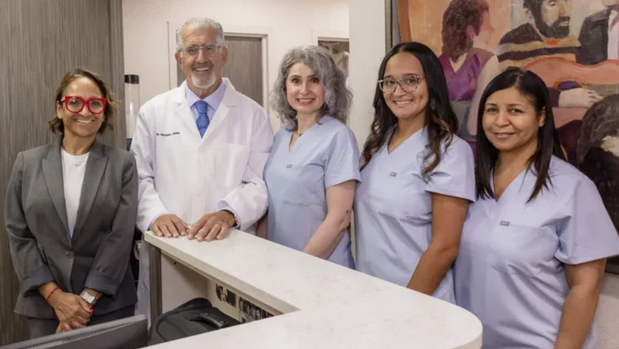
My team and I have helped patients repair cracked, worn, and broken teeth, in our New York City dental office in Midtown Manhattan. You don’t need to apologize for how long it’s been.
Whether your questions are about saving a tooth versus replacing it, what a repair actually involves, or how much of your smile can realistically be restored, you will get a real conversation and straight answers. No guilt, no quick verdicts.
You may have just found your new dental home.
Frequently Asked Questions About Restorative Dentistry for Damaged Teeth
My tooth is cracked. Does that mean I need a root canal?
Not necessarily. Plenty of cracks stay in the outer layers of the tooth and can be repaired with bonding or a crown alone. A root canal only becomes necessary if the crack has reached the nerve or caused an infection. I won’t know which situation you’re in until I actually look, so don’t assume the worst before you get here.
What’s the difference between a crown and a bonded restoration?
Bonding adds material directly to your existing tooth and works well for smaller chips or cracks. A crown covers the entire visible portion of the tooth and is used when there isn’t enough healthy structure left to support a smaller repair. Bonding is faster and less involved. A crown offers more protection for a tooth that’s taken serious damage.
I’ve been putting this off for years. Will you judge me?
No. I’ve heard every version of “I know, I know…” and none of it changes how I treat you. My only job once you’re in the chair is figuring out where things stand now and what makes sense from here.
Can you fix multiple damaged teeth in one plan, or do I need a specialist for that?
I can. I handle the diagnosis, the planning, and the actual restorative work myself, so you’re not being shuffled between offices for a full mouth’s worth of repairs. If your case genuinely calls for another specialist, I’ll say so, but that’s the exception, not the default.
My last dentist wanted to pull a tooth I think could be saved. Will you get a second opinion?
Absolutely, and I’d want you to. Bring your x-rays if you have them. Sometimes extraction really is the right call, but sometimes there’s a conservative option worth trying first, and you deserve to hear both before you decide.
Call my Manhattan dental practice
at 212-685-3040 to schedule your root canal procedure consultation.