

Treatment for Failing Dentitions in Manhattan
What Is Treatment for Failing Dentitions?
Treatment for failing dentitions is a comprehensive plan for patients with multiple compromised teeth, not just one. I evaluate every tooth individually to decide what can realistically be saved and what can’t, then build a single coordinated plan combining restorative work, periodontal care, and implants where needed. Most plans begin with one evaluation visit.
Nobody walks into my office and says “my dentition is failing.” What they say is, “I don’t know what happened. It just got away from me.” A few years pass, a few appointments get skipped, and suddenly it isn’t one bad tooth anymore; it’s several. That’s not a character flaw. It’s just how mouths work when life gets busy, and life in Midtown Manhattan rarely slows down long enough to notice a slow leak.
Failing dentition is the term I use when multiple teeth are breaking down at once, from decay, old and failing restorations, gum disease, or a combination of all three. Treating it isn’t about fixing one tooth and hoping the rest hold. It’s about looking at the whole mouth honestly and figuring out, tooth by tooth, what’s worth saving.
I’ll be honest with you before you ever sit in the chair: some teeth can be saved. Some can’t. My job is knowing the difference and not guessing.
The Plan That Decides What's Worth Saving
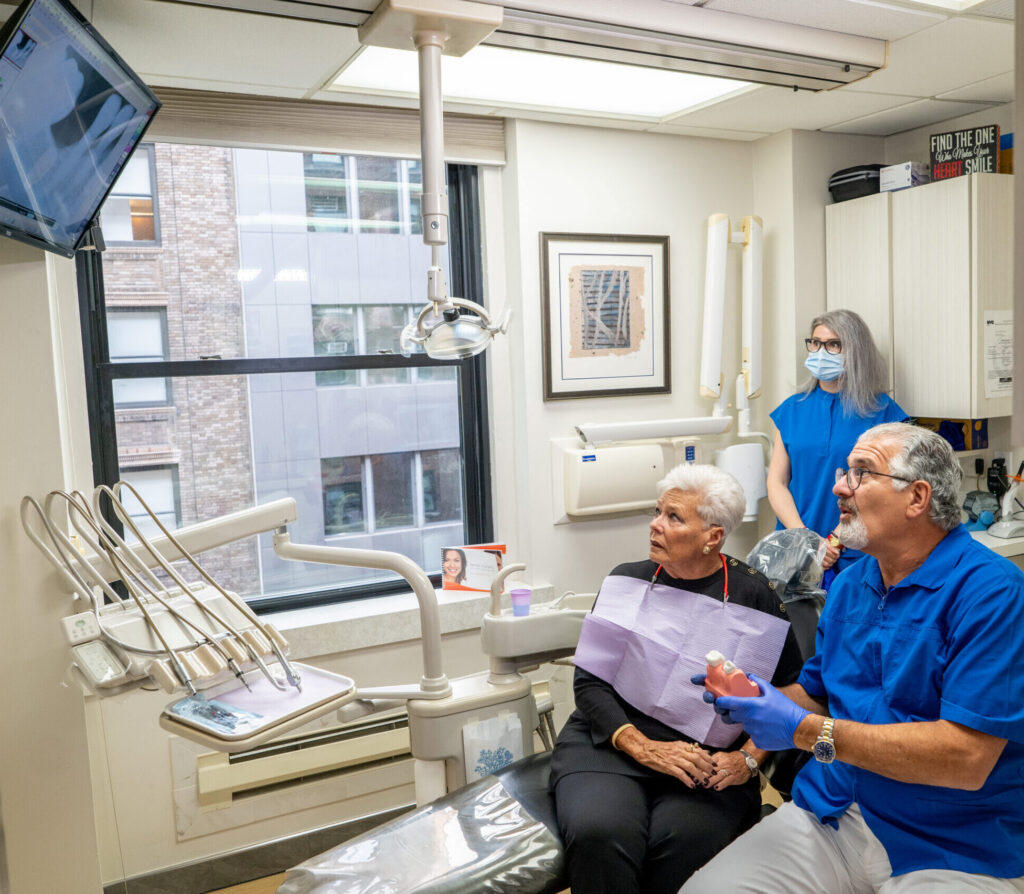
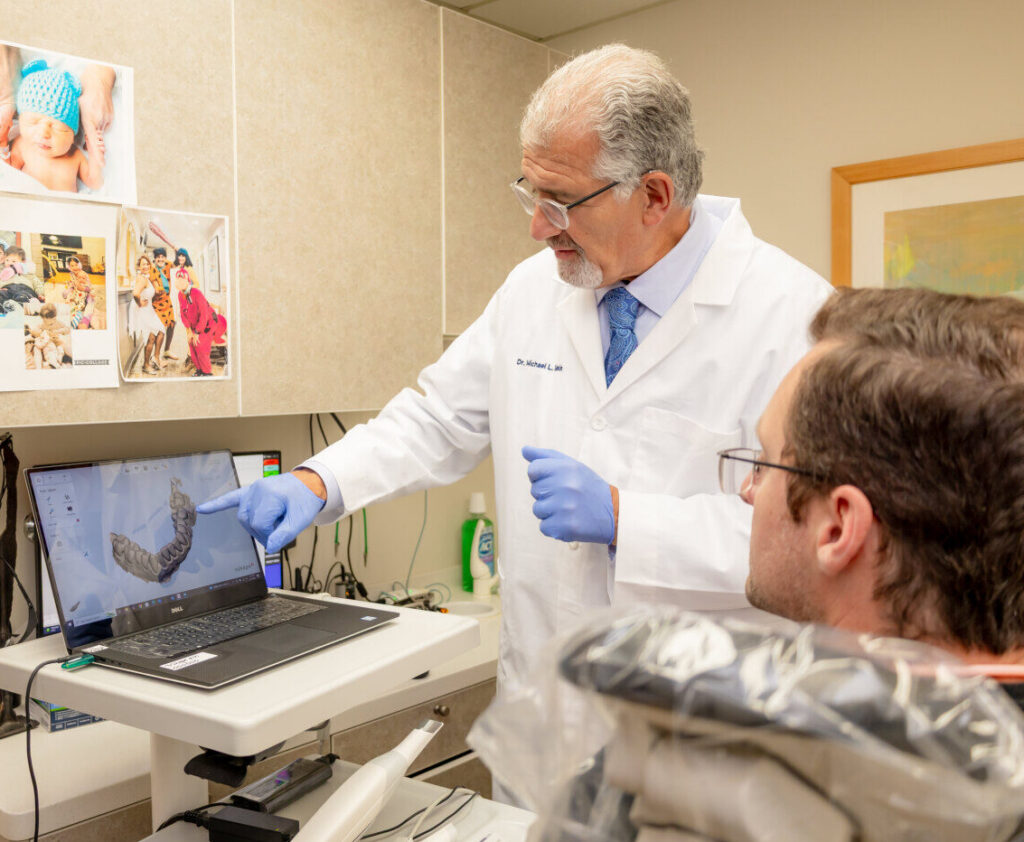
The first visit is a full diagnostic workup, not a lecture. I take current x-rays (and a 3D scan when I need to see under the gumline), check every tooth for decay, cracks, and bone support, and evaluate your bite and gum health as a whole system rather than a collection of separate problems.
From there, I build a tooth-by-tooth treatment plan. Some teeth just need a crown or a root canal to be perfectly fine for another twenty years. Others have lost too much bone or structure to reasonably restore, and trying to save them anyway usually just delays the inevitable and costs you more, in money and in comfort, down the road. I’ll tell you which is which, and why.
The plan itself is sequenced, not dumped on you all at once. Infections and active decay get addressed first. Then we stabilize what’s staying, and replace what isn’t, usually with implants I place myself. You leave with a mouth that works as one system again, not a patchwork of leftover problems.
None of this happens in a single afternoon, and I won’t pretend it does. But it happens on a timeline you can actually follow, with a dentist who was there for every step of it.
Save It or Replace It: How We Decide
This is the question everyone actually wants answered, so I’ll answer it directly. A tooth is worth saving if it has enough healthy structure and bone support left to hold up under normal use, and if saving it doesn’t put more time and money into a tooth that was going to fail again anyway. A tooth is not worth saving just because it’s technically still in your head.
I’d rather tell you a tooth needs to come out in year one than tell you it’s fine and watch you deal with the same problem, worse, in year three. That’s the conservative philosophy this whole practice runs on. It’s also the reason patients tend to trust the plan once they see it.
If several of your teeth are failing at once but the rest of your mouth is stable, this is different from a full mouth reconstruction, which rebuilds everything. And it’s different from complex dental solutions, which covers bite and structural problems that may not involve multiple failing teeth at all. If you’re not sure which situation describes you, that’s a completely normal thing to walk in not knowing. Figuring it out is part of the first visit.
Gum disease is one of the most common reasons a dentition starts failing all at once, since it quietly undermines the bone holding several teeth in place before it ever causes pain. The ADA’s patient education resource on gum disease is a good plain-language overview if you want to understand what’s actually happening beneath the surface before we talk.
Are You in New York City and Worried You’re Losing Multiple Teeth?
My team and I have helped patients who came in with several failing teeth at once get a clear, honest plan and keep as much of their natural smile as possible, right here in our New York City dental office in Midtown Manhattan. However things got to this point, you won’t hear a lecture about it from me.
Whether your questions are about which teeth can be saved, what extractions actually involve, or how implants fit into the plan, you will get a real conversation and straight answers. No quick verdicts, no pressure to decide anything on the spot.
You may have just found your new dental home.
Frequently Asked Questions About Treatment for Failing Dentitions
What causes a dentition to fail all at once instead of just one tooth?
Usually it’s not “all at once,” it’s several small things that were never addressed catching up with you at the same time. Old fillings break down, decay spreads, gum disease quietly eats away at the bone holding teeth in place, and a few years later it looks sudden even though it wasn’t.
How is this different from full mouth reconstruction?
Full mouth reconstruction rebuilds your entire bite from the ground up, usually because most or all of your teeth need work. Treatment for failing dentitions is more targeted. Some of your teeth are fine, some are failing, and the plan is built around saving what’s healthy and replacing what isn’t.
I’ve been avoiding the dentist for years. Will you judge me?
No. I’ve heard every version of “it’s been a while” there is, and it changes nothing about how I treat you. I’m interested in where your mouth is today and where we can get it, not in how it got there.
Does this include replacing teeth, or just saving them?
Both. A real treatment plan for failing dentition almost always includes some of each. I’ll tell you which teeth I’d fight to save and which ones are better replaced, typically with an implant I place myself, so you’re not being handed off to someone new for that part.
How many appointments does this usually take?
It depends on how many teeth are involved, but it’s never one visit. What I can promise is a clear sequence: stabilize anything urgent first, then move through the rest of the plan on a timeline that’s realistic for your schedule and your budget.
Call my Manhattan dental practice
at 212-685-3040 to schedule your root canal procedure consultation.