

Full Mouth Reconstruction in Manhattan
What Is Full Mouth Reconstruction?
Full mouth reconstruction is the re-creation of every tooth in the mouth, using crowns, bridges, dentures, or implants as needed. It restores function, health, and appearance after years of decay, trauma, or teeth that were never properly treated. Most cases take three to nine months, done in careful, healed-through stages.
Losing the ability to eat, speak, or smile without thinking about it happens slowly. A cracked tooth here, an infection there, a bridge that keeps failing. Eventually patients tell me they’ve stopped smiling in photos or started avoiding certain foods altogether, and they didn’t even notice it happening until it already had.
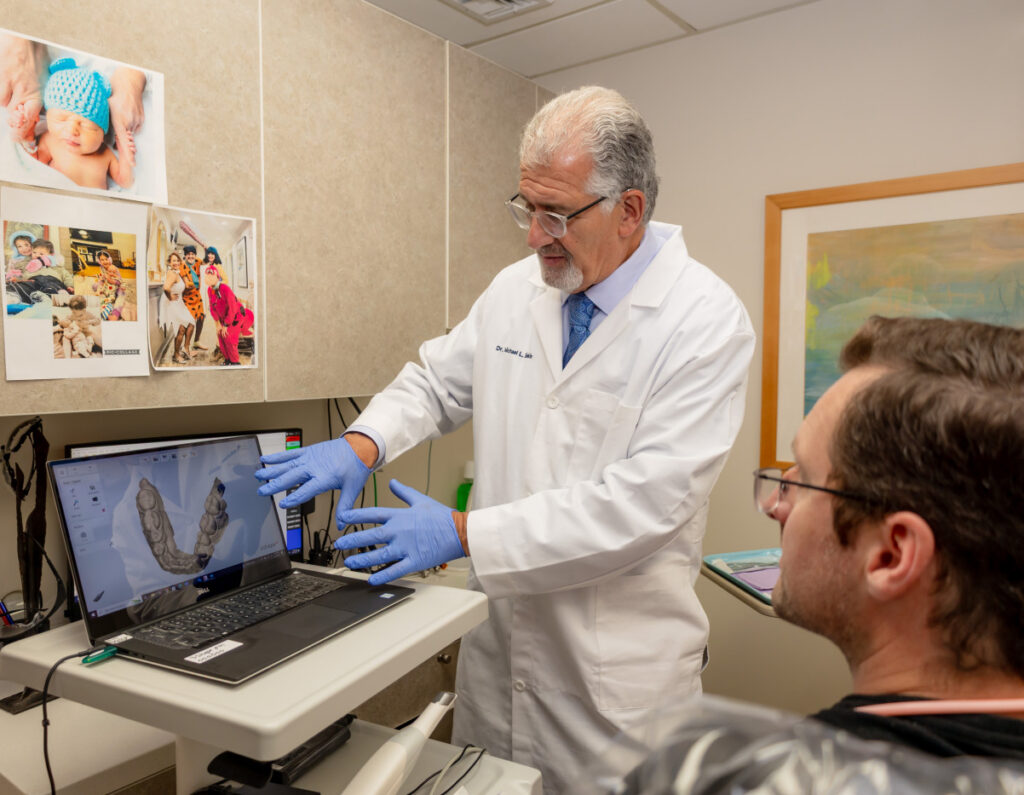
I see this a lot in Midtown Manhattan, where people are too busy to deal with a dental problem until it becomes impossible to ignore. Full mouth reconstruction is how we get you back to eating, speaking, and smiling without a second thought, not just fixing what’s broken, but rebuilding it to actually hold up.
No judgment here, whatever got you to this point. My job is figuring out where things stand and building a plan that lasts.
The Plan That Puts Your Whole Mouth Back Together
Full mouth reconstruction usually comes from one of a few places: tooth decay, gum infection, a dental abscess, trauma, or dental work in the past that didn’t hold up the way it should have. Certain medical conditions play a role too. Diabetes, cancer treatment like chemo or radiation, and eating disorders such as bulimia or anorexia can all take a real toll on your teeth and gums, and if that’s part of your story, it changes how I plan your treatment, not whether I can help you.
The first visit is a full diagnostic workup, a close look at how your teeth meet, what’s failing, and why. From there we build a staged treatment plan, addressing infection or instability first, then moving into the restorative phase: crowns, permanent bridges, removable prostheses, or implant-supported restorations, whichever combination actually fits your mouth.
This isn’t one long appointment. It’s done in stages, with healing time built in between, because rushing a reconstruction is how people end up needing it done twice.
Am I a Candidate for Full Mouth Reconstruction?
You may be a candidate if you’re dealing with any of the following:
- Severe TMJ (jaw joint) pain or dysfunction
- A bite that doesn’t line up the way it should
- Noticeable deterioration in how your teeth look
- Teeth that feel loose
- Missing teeth
- Teeth that are worn, chipped, or cracked
- Bridges or implants that keep cracking or breaking
If more than one of these sounds familiar, that’s usually the sign it’s time for a real conversation rather than another one-off repair.
The Health Benefits Go Beyond Your Smile
Patients are often surprised how much changes beyond their teeth. Eating a wider variety of food again, chewing efficiently without pain, improves nutrition in ways people don’t expect going in. And clearing out active infections or chronic gum disease doesn’t just help your mouth, it’s been shown to benefit heart health too.
Confidence comes back as well, and not in a small way. Patients who’ve been hiding a failing smile for years tend to describe getting it back like exhaling for the first time in a long time.
One Dentist, the Whole Plan
Implants play a big role in most reconstructions, whether that means a permanent bridge or what’s called an overdenture, a denture that snaps rigidly or semi-rigidly onto implants underneath, instead of floating loosely on your gums the way a conventional denture does.
I place those implants myself, and I do the restorative work myself too, after 40 years of both. If you’ve been told dentures are your only option, it’s worth a second look. According to the American College of Prosthodontists, full mouth reconstruction is often the better path for patients dealing with significant wear, old trauma, or years of piecemeal dental work.

Are You in New York City and Living With a Bite That Needs More Than One Fix?
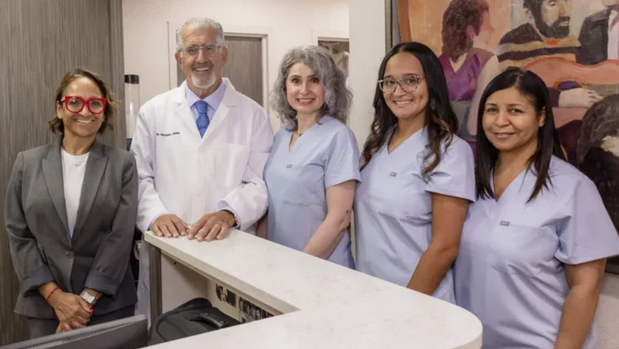
My team and I have helped patients rebuild bites that had been falling apart for years, right here in our New York City dental office in Midtown Manhattan. If you’ve been putting this off, you won’t get a guilt trip from us. Just a plan.
Whether your questions are about timeline, cost, or what a reconstruction actually involves day to day, you’ll get a real conversation and straight answers. No scare tactics, no up-sell, no pressure.
You may have just found your new dental home.
Frequently Asked Questions About Full Mouth Reconstruction
How do I know if I need a full mouth reconstruction, or just a few individual fixes?
If you have one or two problem teeth, you probably don’t need this. It comes up when multiple teeth are failing at once, your bite feels off overall, or repeated repairs have stopped holding. I’ll tell you honestly if a smaller fix will do.
Is “full mouth reconstruction” the same thing as “full mouth restoration”?
Yes, at my practice these terms describe the same comprehensive treatment. Some offices use one term, some use the other. What matters is the approach: rebuilding form, function, and health together, not just one tooth at a time.
I’ve been avoiding the dentist for years. Will you judge me?
No. I’ve heard every version of “I know, I know” a person can say. Long gaps happen. We’ll start with where your mouth is today, not a lecture about how it got there.
I have a medical condition that’s affected my teeth. Can you still help?
Yes. Diabetes, cancer treatment, and eating disorders can all take a serious toll on oral health, and I’ve worked with patients managing all three. Your medical history shapes the plan, it doesn’t rule anything out.
Will this hurt?
Every stage is done with the same anesthesia and comfort measures I use for any other procedure. Most patients tell me the appointments themselves were far easier than they expected. It’s the anticipation that’s usually worse than the visit.
Call my Manhattan dental practice
at 212-685-3040 to schedule your root canal procedure consultation.