

Porcelain Veneers in Manhattan
What Are Porcelain Veneers?
Porcelain veneers are thin, custom-made ceramic shells bonded to the front of your teeth to correct chips, cracks, discoloration, and uneven spacing or shape. Each one is designed to match your natural tooth color and translucency. Most cases take two visits a few weeks apart, and results typically hold for ten to fifteen years with normal care.
New York does not leave a lot of room for self-consciousness. You are talking all day, in meetings, on camera, across the table from someone, and a chipped tooth or a stain you can’t whiten away has a way of taking up more headspace than it should.
Porcelain veneers are one of the more dramatic things I do in this office, and also one of the most misunderstood. Done well, nobody should be able to tell you have them. Done carelessly, everybody can (you’ve seen the smiles I mean, the ones that read as a little too perfect, a little too uniform, from across the room).
I have been designing veneers out of my office in Midtown Manhattan for a long time, and every case is custom. There is no template smile I am working from, there is yours. The tooth shape, the shade, the way light catches your particular enamel, all of that gets built into the plan before a single tooth is touched.
The Visit That Rebuilds Your Smile

Veneers solve a specific set of problems: chips, cracks, stubborn discoloration, and teeth that are unevenly shaped or spaced. If the tooth underneath is healthy and the surface is the issue, a veneer covers that surface with something better, permanently.
The process has two real components. The first is the design consultation, where we talk through what’s bothering you, what you want the end result to look like, and whether veneers are actually the right tool for it (sometimes they’re not, and I’ll say so before we go any further). This is also where we settle on shade and shape, sometimes with a mockup you can actually see in your own mouth before committing to anything.
The second is the placement visit, where I reshape a small amount of enamel on each tooth, just enough to make room for the veneer without weakening the tooth, take impressions, and send you home in temporaries while your permanent veneers are custom-made at a dental lab. That lab work usually takes a couple of weeks, which is longer than most patients expect, but it’s the reason the final result looks handmade instead of assembly-line.
When your final veneers are ready, you come back for bonding. Because they’re so thin, often less than a millimeter, most cases need little to no adjustment once placed. But nothing goes on permanently until you’ve looked in the mirror, under real light, and told me it’s right.
If a chip is minor or a stain is surface-level, I’ll sometimes steer you toward bonding or whitening instead, both of which are less invasive and easier to reverse. Veneers are permanent (the enamel that’s removed doesn’t grow back), so they’re worth using deliberately, not by default. The ADA’s patient guide to veneers is a good plain-language rundown if you want more information. I’d rather talk you out of a veneer you don’t need than talk you into one.
What Veneers Can Actually Fix
Not every cosmetic complaint needs a veneer, and knowing which problems they’re built for changes what actually works.
- Chips and cracks. A veneer covers the damaged area completely and protects the tooth underneath from further wear, so a chip from years ago stops being something you have to manage.
- Surface discoloration and dullness. Years of coffee, wine, or just time can leave teeth looking flat or yellowed. A veneer restores the brightness without touching what’s underneath.
- Tetracycline staining. This antibiotic, common decades ago, causes grayish staining that runs through the entire tooth, which is why whitening alone can’t fix it. Veneers are often the most reliable answer, and one of the more satisfying fixes I get to offer.
- Uneven or wide spacing. Veneers can close gaps and even out spacing without orthodontics, when the case calls for it and the gap isn’t better solved with Invisalign instead.
- Unevenly shaped teeth. Grinding and general wear can leave teeth looking mismatched or worn down unevenly. Veneers won’t fix the grinding itself (that’s a separate conversation, usually involving a nightguard), but they can rebuild a more even, natural-looking smile.
- Small teeth or worn edges. Some patients were simply born with teeth on the smaller side, or have worn edges down over the years. Veneers can restore proportion without touching the healthy structure underneath.
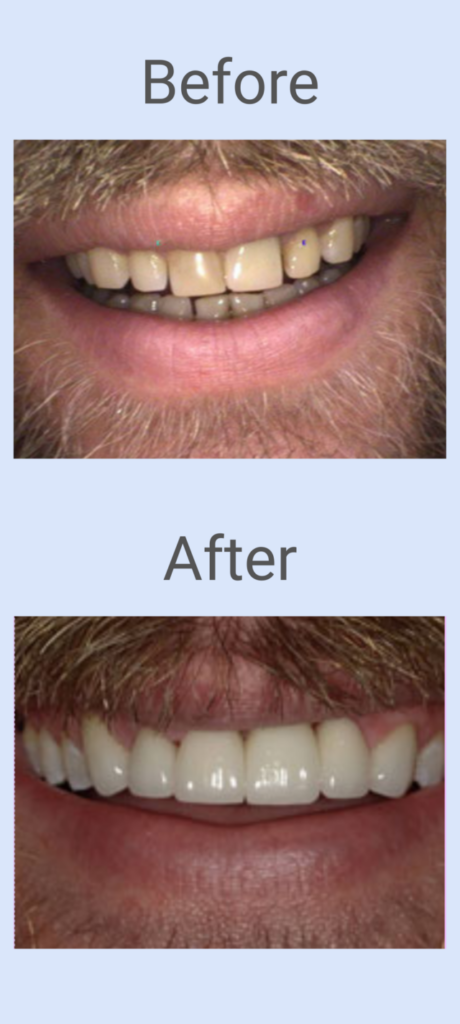
None of this is meant to talk you into anything. A lot of what I do in a first consultation is figure out which of these categories actually applies to you, because “I don’t love my smile” can mean five different things, and only some of them call for veneers.
Are You in New York City and Self-Conscious About a Chipped or Discolored Smile?
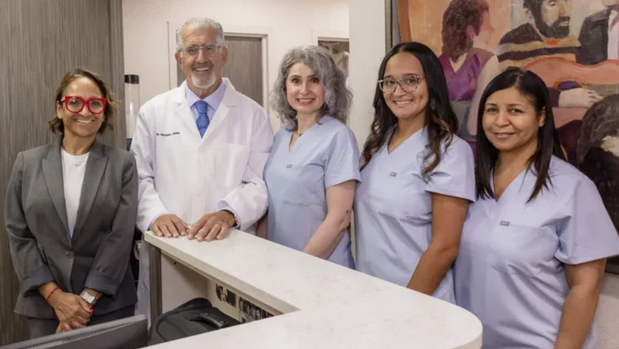
My team and I have helped patients across New York City redesign smiles they’d stopped feeling good about, right in our Midtown Manhattan dental office. There is no guilt here for how long you’ve been putting it off. We just get to work.
Whether your questions are about how veneers compare to bonding or whitening, what the process actually involves, or whether your teeth are good candidates at all, you’ll get a real conversation and straight answers. No quick verdicts, no pressure toward something you don’t need.
You may have just found your new dental home.
Frequently Asked Questions About Porcelain Veneers
How long do porcelain veneers last?
Most veneers last ten to fifteen years, sometimes longer, depending on how you care for them. They don’t decay the way natural teeth can, but the bond and the porcelain itself can wear over time, so regular checkups matter.
What’s the difference between veneers and crowns?
A veneer covers just the front surface of a tooth. A crown covers the entire tooth. If the tooth is structurally healthy and the problem is cosmetic, a veneer is usually the more conservative choice. If there’s significant damage or a large existing filling, a crown may be the better fit.
Will getting veneers hurt?
No. The tooth reshaping is done with local anesthesia, so you won’t feel it happening. Most patients describe mild sensitivity for a day or two afterward, nothing more.
Does whitening work instead, or do I actually need veneers?
Whitening changes the color of your natural enamel and works well on surface stains. It won’t fix chips, gaps, uneven shape, or intrinsic staining like tetracycline. If color is your only concern and the stain is surface-level, we’ll often try whitening first.
I’ve been putting this off for years out of embarrassment. Do you see patients like me?
All the time. Nobody in this office is going to make you feel bad about waiting. You’re here now, and that’s what matters.
For more information on whether porcelain laminate veneers are a good choice for you
call our Manhattan dental practice at 212-685-3040 for a consultation today.