

Invisalign® & Clear Aligners in Manhattan
What Does Invisalign Treatment Include?
Invisalign® clear aligners are a series of custom, virtually invisible trays that gradually shift your teeth into place, worn 20 to 22 hours a day and swapped for a new set every one to two weeks. I plan, fit, and monitor the entire process myself, no orthodontist referral needed. Most cases finish in six months to a year and a half, depending on how much movement your teeth need.
You already know the look. A meeting runs long, someone laughs at something across the table, and you catch yourself doing the closed-mouth smile you have perfected over the years. Crooked or crowded teeth do not stop you from living your life in Midtown Manhattan, but they do take up a little bit of your attention every single day, and that adds up.
Invisalign fixes that without the mouth full of metal you remember from middle school (or the metal you never had, and have quietly resented ever since). Clear trays, no brackets, no wires, no one across the conference table even needs to know you are in treatment unless you tell them.
The honest version is this: not every crooked smile needs aligners, and not every case is simple. Some patients need a few months of minor tweaks. Others are dealing with real crowding or a bite that needs more careful planning. I will tell you which one you are before we start, not after you have paid for a full treatment plan.
The Visit That Actually Straightens Things Out
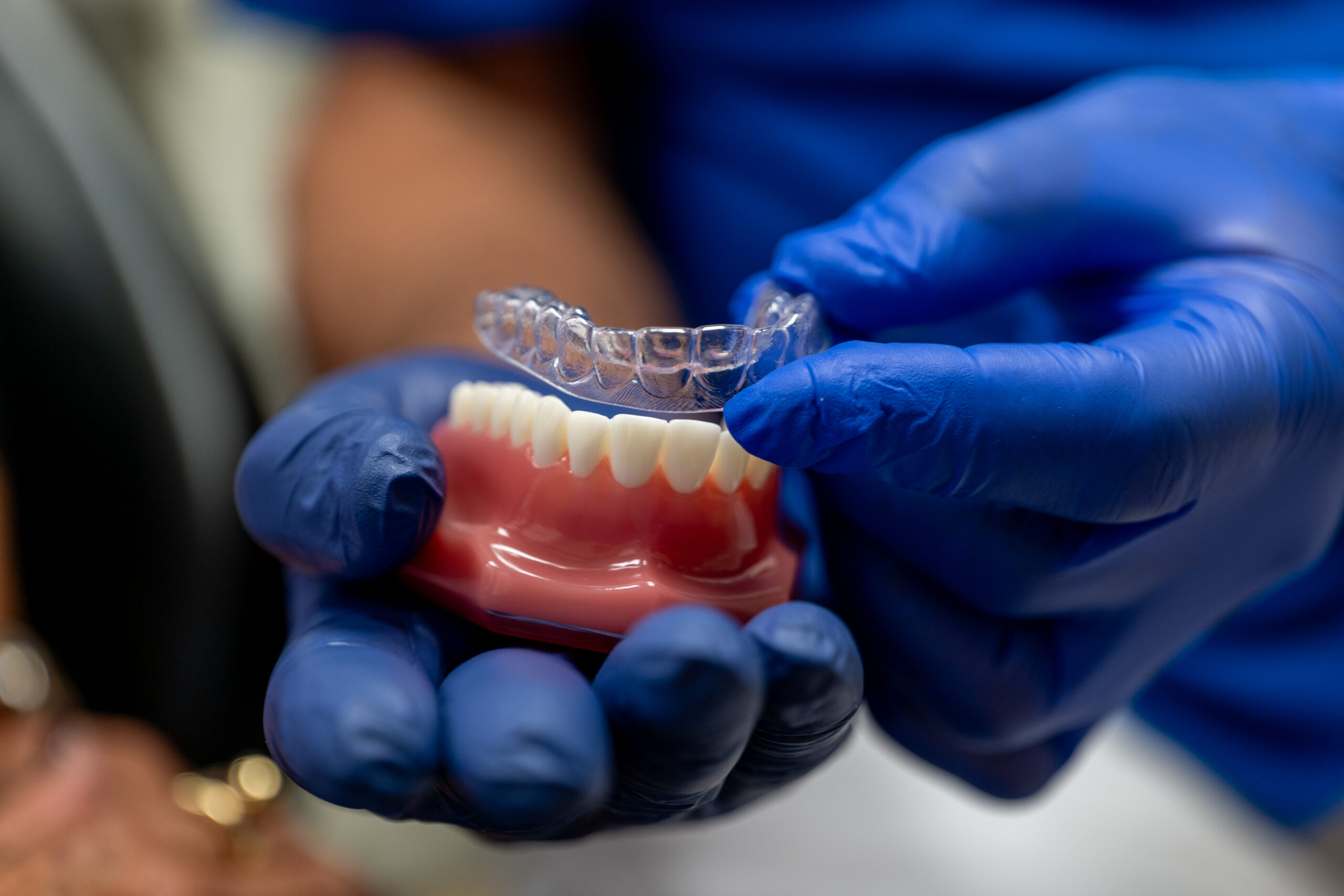
Treatment starts with a digital 3D scan of your teeth, no goopy impression trays, just a few minutes with a wand that maps your mouth precisely. From that scan, I build out your entire treatment plan before a single aligner is made, so you can actually see how your teeth are projected to move, month by month, before you commit to anything.
From there, you get your first set of custom aligner trays, made specifically for your teeth and delivered in sequence. You wear each set for one to two weeks, then move to the next, with the trays doing small, controlled work the whole way. Most patients are surprised by how little it interrupts daily life. You take them out to eat, brush, and floss, then they go right back in.
I see you every six to eight weeks to check that your teeth are tracking the plan, and to add or adjust small tooth-colored attachments if certain teeth need extra help turning or moving into place. This is the part patients tend to skip when they hear about Invisalign from a friend or an ad. It is not just mailing you plastic trays and hoping for the best. It is a plan I built, that I check on, and that I adjust in real time if something needs it.
Because I handle every part of this in-house, from the scan to the fitting to the six-week check-ins, there is no back-and-forth between a dentist and an outside orthodontist trying to coordinate your case. One person is watching your whole treatment from the first scan to the day you switch to a retainer, and that person is me.
Invisalign vs. Traditional Braces: What's the Difference
The short version is that traditional braces are fixed to your teeth and Invisalign is not, but the real differences go a bit further than that.
Traditional braces use metal or ceramic brackets bonded to each tooth and connected by a wire, tightened periodically to move teeth over time. They work well for complex bite problems, and they are not removable, which for some patients (usually teenagers who would otherwise lose a retainer within a week) is actually a feature, not a downside.
Invisalign takes a different approach entirely. Instead of one continuous appliance, you get a sequence of trays, each one doing a small, specific amount of work. Because they come out for eating and cleaning, oral hygiene tends to be easier during treatment, and there are no brackets to catch food or make brushing awkward. The tradeoff is that results depend on how consistently you wear them. Take them out too often and treatment stretches out or stalls.
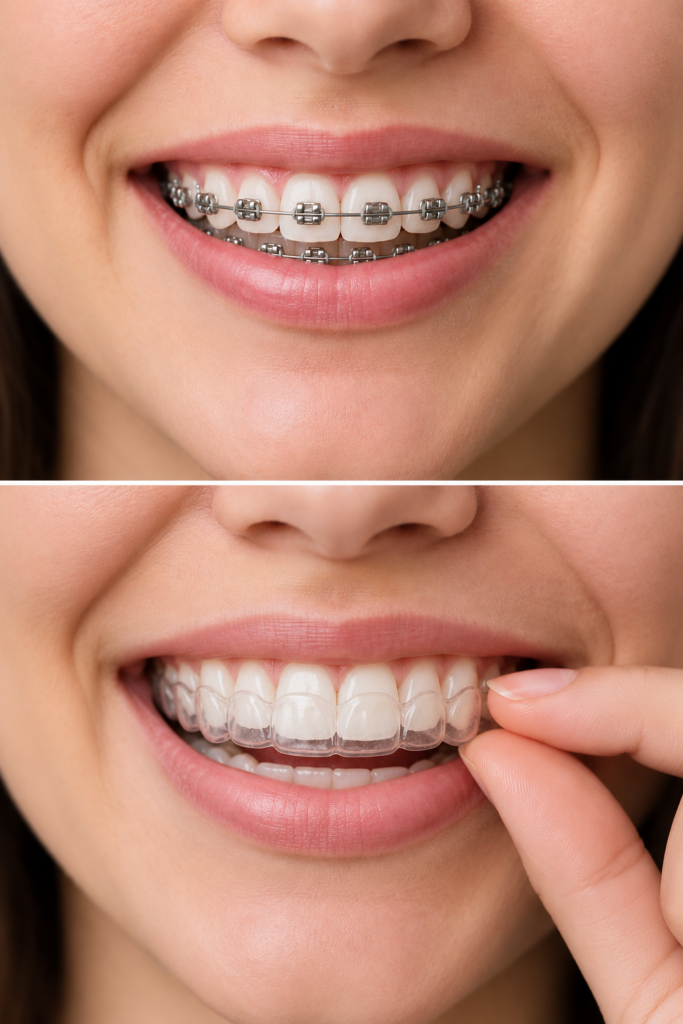
For most adult patients dealing with crowding, spacing, or minor bite issues, Invisalign gets the job done with a lot less visibility and a lot less daily hassle. For more complex bite correction, we may talk about whether traditional orthodontics makes more sense, and I would rather have that conversation honestly upfront than start you on a plan that will not get you where you want to go.
The American Dental Association has more general background on how orthodontic treatment works and what it corrects, if you want the fuller picture before we talk specifics for your teeth.
Are You in New York City and Ready for a Straighter Smile Without the Metal?
My team and I have helped patients across New York City straighten smiles they had been putting off for years, right in our Midtown Manhattan dental office. There is no guilt here if you skipped braces as a kid, or if your teeth shifted back after wearing a retainer for exactly two weeks in college.
Whether your questions are about how long your treatment would actually take, whether Invisalign can handle your specific crowding or spacing, or what it costs compared to traditional braces, you will get a real conversation and straight answers. No pressure, no upsell to a longer plan than you need.
You may have just found your new dental home.
Frequently Asked Questions About Invisalign & Clear Aligners
How long does Invisalign treatment actually take?
Most adult cases run six months to a year and a half, depending on how much movement your teeth need. Minor crowding can finish faster. More involved cases take longer, and I will give you a realistic timeline after your scan, not a marketing number.
What’s the difference between Invisalign and traditional braces?
Traditional braces are fixed to your teeth with brackets and wires and stay in place the entire treatment. Invisalign uses a series of clear, removable trays you swap every one to two weeks. Braces suit more complex bite corrections. Invisalign suits most crowding, spacing, and minor bite cases with far less visibility.
Will Invisalign hurt or feel uncomfortable?
You will likely feel pressure for a day or two after switching to each new tray, which is normal and means the trays are doing their job. It is not the same as the soreness from tightened wires on traditional braces, and most patients adjust to a new set within 24 to 48 hours.
Does Invisalign fix everything, or will I still need other treatment?
Invisalign moves teeth into better alignment, but it does not address issues like severe bite misalignment, missing teeth, or teeth that need crowns or veneers for shape and color. If your case involves more than alignment, we will talk about whether a combination approach makes sense before you start.
I had braces years ago and my teeth shifted back. Can Invisalign still help me?
Very often, yes. Teeth shifting after braces or a lapsed retainer is one of the most common reasons adults come in for Invisalign. Since I plan and monitor your case myself, I can tell you honestly after your scan whether a shorter refinement plan will get you back to where you started.
For more information on whether porcelain laminate veneers are a good choice for you
call our Manhattan dental practice at 212-685-3040 for a consultation today.