

Teeth Whitening in Manhattan
What Does Professional Teeth Whitening Include?
Professional teeth whitening usually starts with an in-office visit using a concentrated gel and a bleaching light, followed by custom take-home trays to maintain the results. Most patients see a visibly whiter smile in a single appointment. Since normal wear keeps adding new stains, most people repeat the process every year or two to stay bright.
New York does not leave a lot of room for slow anything, including your smile. You are in meetings, on camera, across the table from someone closing a deal or across from a first date, and somewhere in the back of your mind you are thinking about your teeth. That thought should not be taking up rent-free space in your head.
I have been whitening teeth in Midtown Manhattan for a long time, and the thing people usually get wrong is assuming their stains are permanent. Coffee, wine, a decade of skipping the dentist, even some old antibiotic staining that another dentist wrote off years ago, none of it automatically disqualifies you.
Whitening is one of the rare cosmetic procedures that gives you a real, visible difference in one visit, no drilling, no numbing, no recovery. It is, frankly, one of the more satisfying afternoons in my office.
The Visit That Actually Moves the Needle
Not all whitening is the same whitening, and which option makes sense for you depends on how stained your teeth are and what caused it.
For most patients, I start with in-office whitening: a highly concentrated gel activated by a bleaching light, applied in short intervals while I protect your gums with a rubber dam so the gel stays where it belongs. Most people see instant, dramatic results in about an hour.
From there, I send you home with custom take-home trays using a lower-strength gel, worn for an hour or more a day (some patients prefer overnight) until you hit the shade you want. It is a slower build than the in-office visit, but it tends to hold longer and it is the reason your results do not fade the month after you leave my chair.

If your staining is mild, I will sometimes point you toward an over-the-counter whitener instead of talking you into more than you need. Same basic chemistry, lower concentration, and honestly, sometimes that is all it takes. I would rather tell you the truth about what your teeth actually need than sell you the bigger package.
Why Your Teeth Stained in the First Place
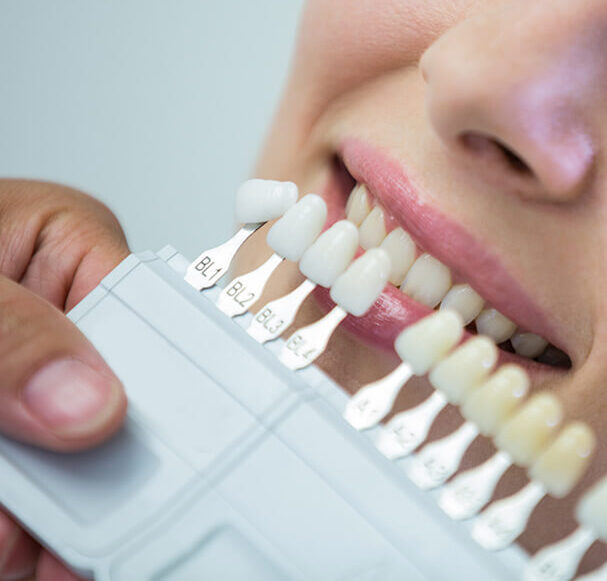
Not all stains are created equal, and knowing which kind you have changes what actually works.
Extrinsic stains sit on the surface. Coffee, red wine, tea, cola, smoking, they build up on the outside of the tooth, and this is what whitening handles best. Intrinsic stains live inside the tooth itself, caused by aging, injury, or certain minerals present while the tooth was forming (tetracycline, an old-school antibiotic, is the classic example). Intrinsic stains take more patience. I usually follow up the in-office session with a take-home kit used over a longer stretch, and I would rather try that before jumping to something more invasive.
A few other things drive discoloration that patients rarely connect to their teeth:
- Age. Enamel wears thin over the years, letting the naturally yellower dentin underneath show through. It makes whitening a bit more of a project, not an impossibility.
- Your natural tooth color. Yellowish teeth respond well. Grayish teeth are a tougher case, though still workable.
- Opaqueness. More opaque teeth take color changes more readily. Very transparent teeth respond less to whitening, and I may steer you toward bonding or veneers instead.
- Tooth grinding. Grinding does not stain teeth directly, but it creates tiny cracks that trap stains and wear enamel thin over time (an unglamorous side effect nobody asks about at their annual physical).
- Injury. A cracked tooth from an old accident can darken over time, and whitening often handles it well.
None of this is meant to talk you out of anything. It is meant to set expectations honestly, so the plan we land on actually works for the stains you have.
Are You in New York City and Ready to Get Your Smile Back?
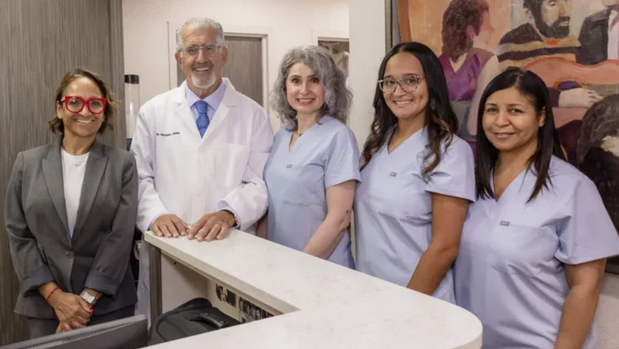
My team and I have helped patients brighten smiles they had written off years ago, right in our Midtown Manhattan dental office. There is no guilt here for the years of coffee, wine, or putting off a cleaning. We just get to work.
Whether your questions are about how white your teeth can realistically get, whether your particular staining is extrinsic or intrinsic, or how long the results actually last, you will get a real conversation and straight answers. No quick verdicts, no upsell to something you do not need.
You may have just found your new dental home.
Frequently Asked Questions About Teeth Whitening
How long does professional teeth whitening actually take?
The in-office portion takes about an hour, done in short bleaching intervals so I can check your progress and stop at the right point for your teeth. Most patients leave that same day with noticeably whiter teeth, and take-home trays continue the effect over the following one to two weeks.
What’s the difference between extrinsic and intrinsic stains?
Extrinsic stains sit on the surface of the tooth and come from things like coffee, wine, and smoking. Intrinsic stains form inside the tooth from aging, injury, or certain medications taken during childhood, and they typically need a longer combination of in-office and take-home treatment to fade.
Will whitening hurt or make my teeth sensitive?
Some patients notice mild, temporary sensitivity to cold for a day or two, and that is normal. It is not pain, and it fades on its own. If you already deal with sensitive teeth, tell me before we start and I will adjust the strength and timing so you are comfortable throughout.
Does whitening fix everything, or will I still need veneers?
Whitening changes the color of your natural enamel. It will not fix chips, gaps, or teeth that are already capped, bonded, or veneered, since those materials do not whiten the same way. If your goal is shape as well as color, or your teeth are very transparent and resist whitening, we will talk about whether veneers make more sense.
My teeth are stained from an old medication like tetracycline. Can whitening still help me?
Often, yes, more often than patients expect. Tetracycline staining is an intrinsic stain, which means it takes more patience than a typical coffee stain, but I usually try whitening before recommending anything more invasive. I would rather look at your teeth in person and tell you honestly what is realistic than guess over the phone.
Call our Manhattan dental practice
at 212-685-3040 for a consultation today.