

Implant-Supported Crowns and Bridges in Manhattan
What Are Implant-Supported Crowns and Bridges?
Implant-supported crowns and bridges replace one or more missing teeth using a small titanium post placed in the jawbone, topped with a custom crown or bridge. Unlike a removable denture, they don’t rely on neighboring teeth for support. Once healed (usually a few months), they function, look, and feel like natural teeth, and with good care can last for decades.
Missing a tooth doesn’t just change how you look. It changes how you chew, how you talk, and eventually, how the rest of your teeth sit in your mouth. The tooth next door starts to drift. The bone underneath starts to shrink. None of that happens overnight, but it happens.
I practice in Midtown Manhattan, a block from Grand Central, and most of my patients have the same complaint before we ever talk about implants: they don’t have time for a months-long project. Good news. You don’t need to be in the chair every week. Most of the work happens in the background, while you go on with your life (and your commute).
What I tell people is this: an implant isn’t a quick fix, but it’s also not the ordeal people imagine. A few visits, spaced out, and at the end, you have a tooth that does everything your old one did. Sometimes better.
The Replacement That Feels Like Your Own Tooth Again
An implant-supported crown or bridge starts with the implant itself, a small titanium post that goes into the jawbone where the tooth root used to be. Titanium is remarkable stuff. Bone actually fuses to it over time, which is why an implant ends up more stable than the tooth it replaced.
Once that’s healed and solidly anchored, we move to the restoration, the crown or bridge that attaches on top. This is the part that does the visible work: it’s shaped, shaded, and fitted to match your bite and your smile so it doesn’t stand out as “the implant tooth.”
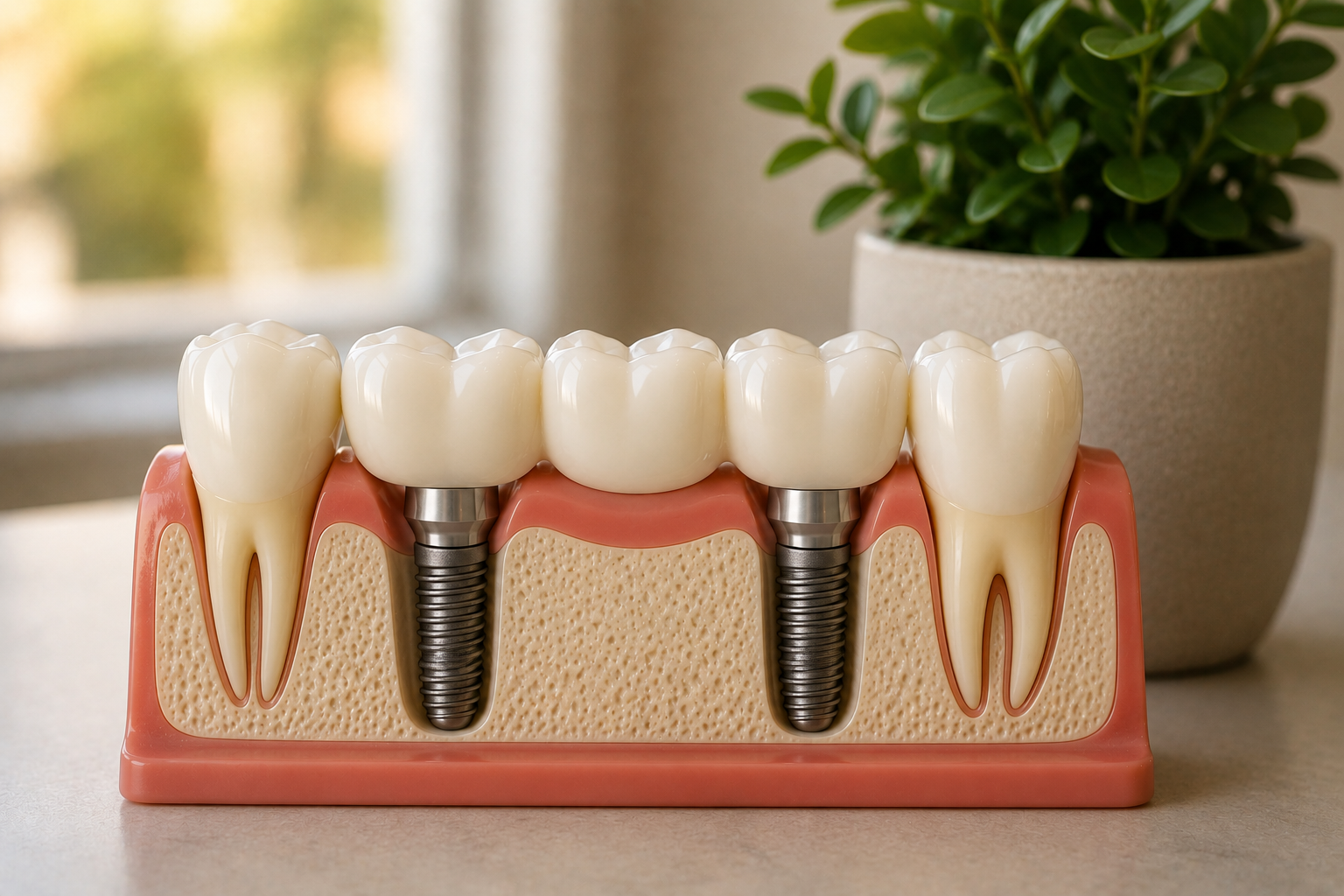
If you’re missing a single tooth, you’ll likely get a single implant crown. If you’re missing several teeth in a row, an implant-supported bridge can replace multiple teeth using just two or three implants as anchors, which means less is placed in the jaw than you might expect.
Either way, the goal is the same. You should be able to forget which tooth is the implant. That’s the whole point.
One Dentist, Start to Finish
A lot of implant patients in New York City find themselves bouncing between offices. Their general dentist refers them to an oral surgeon for the placement, then back again for the crown, and somewhere in the middle nobody is quite sure who owns the plan.
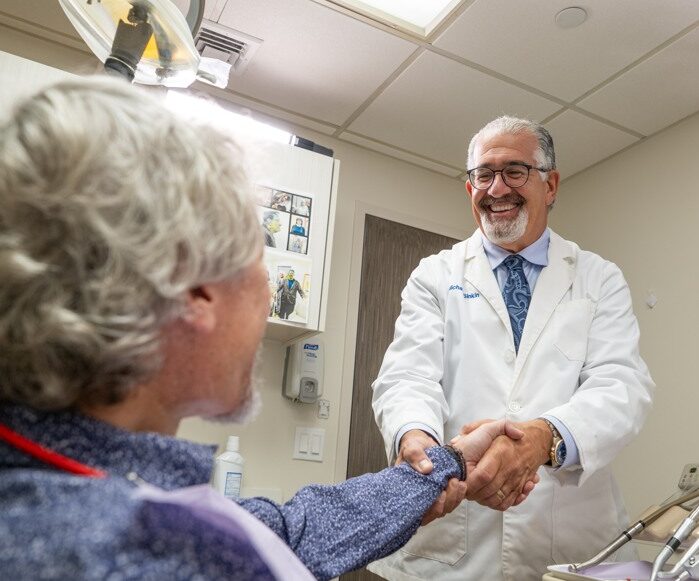
That’s not how I work. I place the implant and I deliver the restoration. The whole thing, from the surgical procedure to the final crown or bridge, happens here, with me. I’ve been placing implants for decades and currently serve as Surgical Director of the implant program at NYU College of Dentistry.
What that means for you practically: one person who knows your mouth, your history, and your goals at every step. No handoffs, no gaps in communication, no starting over with someone new.
Are You in New York City and Missing a Tooth You’ve Been Meaning to Deal With?
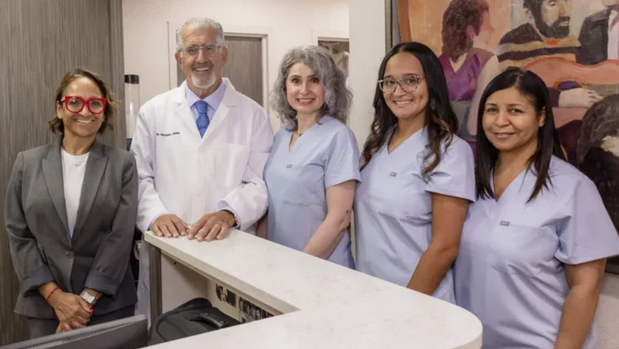
My team and I have helped patients throughout New York City replace missing teeth with implant supported crowns and bridges, in our Midtown Manhattan dental office. Whatever the reason you’ve waited, that’s fine. We’ll start from where you are.
Whether your questions are about cost, timeline, what the surgery actually involves, or whether you’re even a candidate, you’ll get a real conversation and straight answers. No guilt, no pressure.
You may have just found your new dental home.
Frequently Asked Questions About Implant-Supported Crowns and Bridges
How long does the whole process take, from start to finish?
Plan on a few months total, though it varies by case. The implant needs time to fuse with the bone, before the crown or bridge goes on top. Most of that time, you’re just living your life. The actual appointments are spread out and relatively short.
What’s the difference between an implant-supported bridge and a regular bridge?
A regular bridge uses your natural teeth on either side as anchors, which means grinding down healthy teeth to support it. An implant-supported bridge uses implants as the anchors instead, so the teeth next to the gap are left alone.
Will it hurt, and what’s recovery actually like?
The placement itself is done with local anesthesia, so you won’t feel it happening. Afterward, most patients describe it as similar to having a tooth pulled, some soreness for a few days, manageable with over-the-counter pain relief. It’s not the ordeal people brace themselves for.
Can implants replace more than one tooth?
Yes. An implant supported bridge can replace several teeth in a row using just two or three implants as anchors. For patients missing most or all of their teeth, implants can also support a full arch of replacement teeth, which is its own conversation worth having.
It’s been years since I’ve seen a dentist. Can you still help me?
Almost always, yes. A long gap usually just means we start with a clear picture of where things stand now, and build a plan from there. No guilt, no judgment. People come back to dentistry all the time, and we just pick up from today.
Call my Manhattan dental practice
at 212-685-3040 to schedule your root canal procedure consultation.