

State-of-the-Art Dental Implants in Manhattan
What Are Dental Implants?
Dental implants replace a missing tooth root with a small titanium post placed in the jawbone, then topped with a custom crown made to match your natural teeth. Unlike a bridge, an implant stands on its own and doesn’t rely on neighboring teeth for support. Most implants are placed in a single visit, with the final crown following a few months later once healing is complete.
If you’re missing a tooth, you’ve probably gotten used to it. You chew on the other side. You smile a little differently in photos. You tell yourself it’s not a big deal.
It is a big deal, though, even if it doesn’t hurt. A missing tooth changes how you bite, how your other teeth shift over time, and eventually, how your jawbone holds its shape. New Yorkers are good at ignoring things that aren’t actively on fire. This is one of those things that’s worth not ignoring.
My office is in Midtown Manhattan, a few minutes from Grand Central, which means you can come in on a lunch break and be back at your desk before anyone notices you left (assuming you don’t mention it).
The Tooth Replacement Built to Last
A dental implant does something a bridge or a removable denture can’t. It replaces the actual root of the tooth, not just the visible part. That’s what keeps your jawbone healthy and your smile looking like, well, your smile.
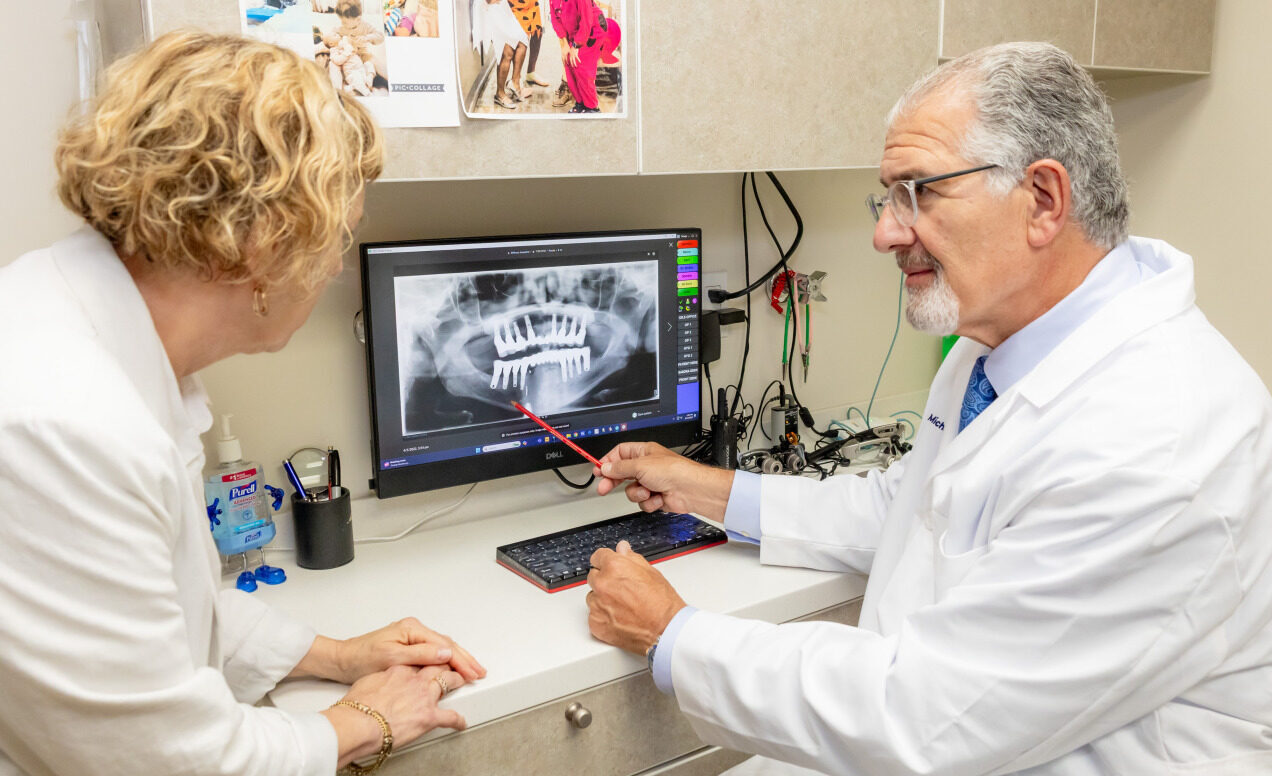
The process starts with a conversation and some imaging, so I can see exactly what we’re working with. From there, I place a titanium implant post directly into the jawbone. Titanium is what’s used because the bone actually fuses to it over time, which is part of what makes implants so stable.
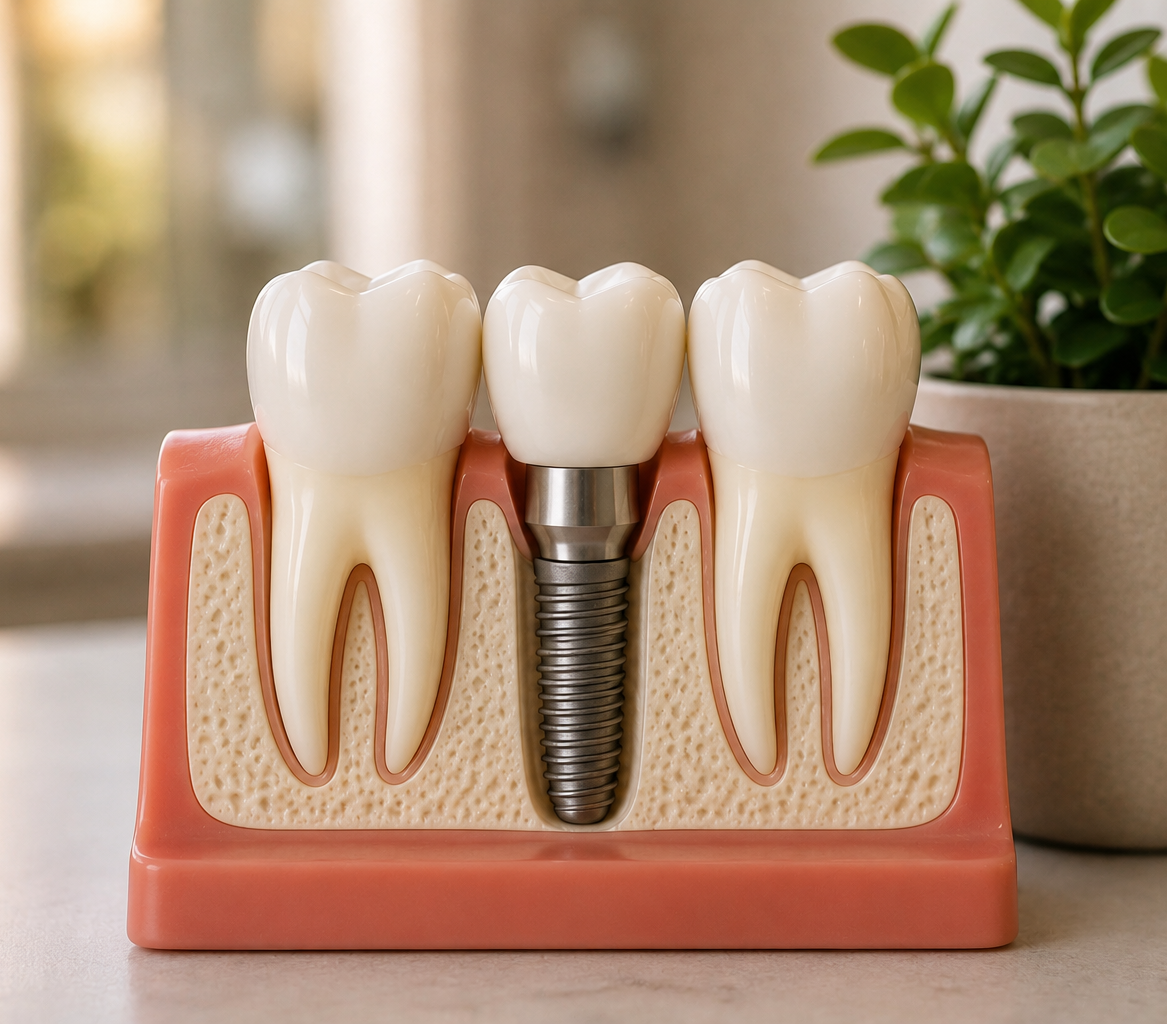
After a healing period, usually a few months, I attach a custom crown that’s shaped and shaded to match the teeth around it. People who don’t know you have an implant generally never find out, unless you tell them (some patients like to tell people, which is fine by me).
The American Dental Association’s MouthHealthy resource on dental implants is a good place to read more about how the process works from a patient’s perspective, if you want some homework before your visit.
What you end up with is a tooth that looks right, feels right, and does its job without asking anything extra of the teeth next to it. That’s the whole point.
Forty Years In, and Still Teaching It
I’ve been placing implants for a long time, and I also teach other dentists how to do it as Senior Faculty at NYU College of Dentistry’s implant program. I mention this not to brag (well, maybe a little) but because it matters for you. When you’re learning alongside other clinicians, you stay current. Techniques change. Materials improve. I want to be using what’s actually best, not what I learned decades ago and never revisited.
Are You in New York City and Living with a Missing Tooth?
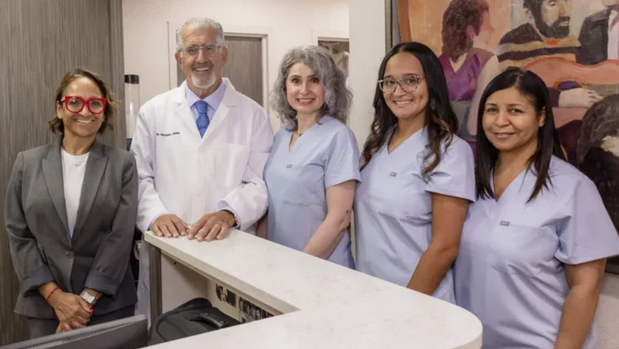
My team and I have helped patients across the New York City metropolitan area replace missing teeth with implants that look and feel like their own, in our Midtown Manhattan dental office. If you’ve been putting this off for years, you won’t get a lecture here. You’ll get a plan.
Whether your questions are about cost, healing time, or whether you’re even a candidate for an implant, you’ll get a real conversation and straight answers. No guilt, no pressure.
You may have just found your new dental home.
Frequently Asked Questions About Dental Implants
How long do dental implants last?
The implant post itself is designed to last a lifetime once it fuses with the jawbone. The crown on top typically lasts ten to fifteen years before it may need replacing, which is normal wear from years of chewing.
What’s the difference between a dental implant and a bridge?
A bridge replaces a missing tooth by attaching to the teeth on either side of the gap, which means those teeth need to be reshaped to support it. An implant stands on its own, so your healthy neighboring teeth are left alone.
Is getting a dental implant painful?
Most patients tell me it’s far less uncomfortable than they expected, often comparing it to having a tooth pulled. We use anesthesia during the procedure, and any soreness afterward is usually manageable with over the counter pain relief for a day or two.
Can implants replace more than one missing tooth?
Yes. Implants can support a single crown, a bridge that replaces several teeth, or a full set of replacement teeth anchored by just a few implants (a treatment sometimes called All-on-4). The right approach depends on how many teeth you’re missing and the condition of your jawbone.
I’ve been putting this off for years. Do you see patients like me?
All the time. Plenty of patients come in having lived with a gap for years, sometimes because they were anxious, sometimes because life got in the way. There’s no lecture waiting for you here, just a plan for moving forward.
Call my Manhattan dental practice
at 212-685-3040 to schedule your root canal procedure consultation.